


If you’ve ever returned from a long weekend to find your favourite fiddle-leaf fig looking more like a crispy piece of bacon, or if your succulents have succumbed to a well-meaning but fatal overwatering, then it’s time to talk about the smart planter: a pot that uses sensors, and often a water reservoir, to take the guesswork out of plant care.

Enter the smart planter, a game-changing piece of technology designed to take the guesswork out of plant care and help your green friends thrive.
This guide is part of our Pot Planting and Care Resource Hub, alongside other in-depth resources.
What is a Smart Planter, Anyway?
A smart planter, sometimes sold as a smart plant pot, is more than just a container for soil. It’s an integrated system that uses technology to help you keep conditions right for your plant. The two most common and helpful features are:
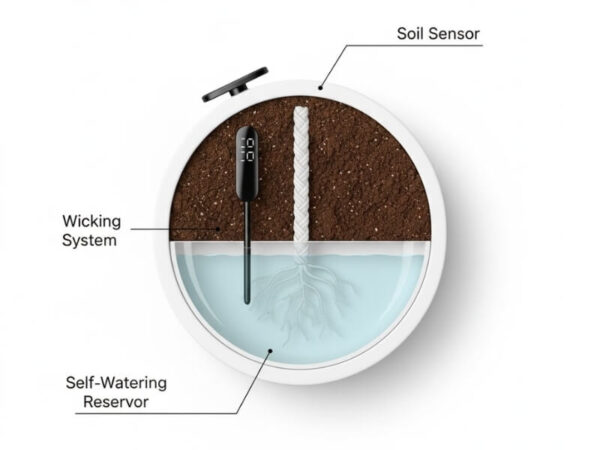
- Self-Watering Systems: These pots have a built-in water reservoir at the bottom. Through a simple wicking mechanism, the plant draws up water as it needs it. This gives the soil a steadier moisture level than watering by hand, which lowers the risk of both drought and overwatering for plants that like even moisture.
- Soil Sensors: Small probes inserted into the soil monitor conditions like moisture levels and, on some models, light exposure, temperature and nutrient content. This data is sent to an app on your smartphone.
A reservoir lets the plant draw water as it needs it, and a sensor tells you what’s happening in the soil. Most of these devices report rather than water, though, so you still do the refilling.
Smart Planter vs Self-Watering Planter vs Classic Pot
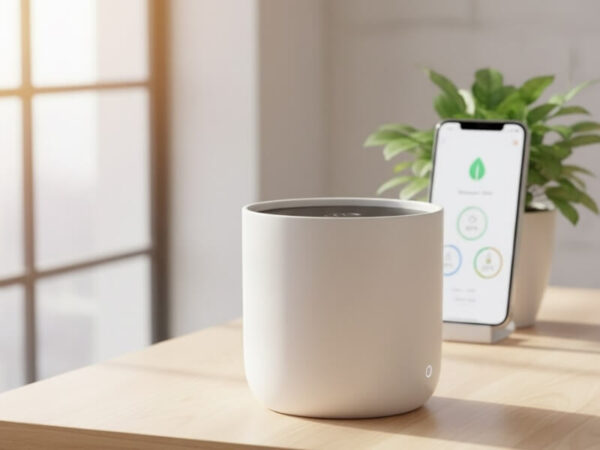
The two terms get swapped around constantly, but they aren’t the same thing. A self watering planter is purely mechanical. A reservoir in the base feeds water up to the roots through a wick or a column of potting mix, by capillary action, the same effect that draws water up a paper towel. A smart planter adds electronics: sensors, an app, and occasionally a small pump or LED light. You can have either without the other. A sensor in a standard pot suits cacti, and a reservoir with no electronics is often all a thirsty peace lily needs.
One detail worth checking on any self watering pot is the overflow hole. It sets the maximum water level and leaves an air gap below the roots, which they need to breathe. Without it, the mix can stay waterlogged.
| Classic pot | Self-watering planter | Smart planter | |
| How water reaches roots | Watered from above by hand | Drawn up from a reservoir |
Either, plus sensors. A few models pump
|
| Electronics | None | None |
Sensors, app, sometimes a pump or LED
|
| Overwatering risk | Depends on you | Lower for moisture-loving plants, still possible |
Lower if you act on the readings
|
| Upfront cost | Lowest | Low to moderate | Highest |
| Best for | Cacti, succulents | Ferns, peace lilies, pothos, frequent travellers |
Fussy plants, data-minded owners, large collections
|
| Main drawback | Needs steady attention | Reservoir hygiene, wrong for dry-loving plants |
Cost, batteries, app dependence
|
Why Your Plants Will Thank You
The advantages of using these planters are clear for both novice and expert plant parents. By creating a stable, optimal environment, this technology addresses the most common causes of plant stress, leading to lusher growth and better overall health. If you are still dealing with yellowing leaves, root rot, or watering issues, learning how to fix common potting problems can help you understand what your plant is trying to tell you.
Eliminate the Guesswork:
No more poking your finger in the dirt. Get regular readings on your plant’s soil moisture, so you know when to refill the reservoir or hold back. This is especially crucial for temperamental plants that show signs of distress at the slightest deviation from their preferred moisture level. With a smart plant pot, you move from reactive care—noticing a drooping leaf—to proactive care, catching dry soil before any visible stress occurs. This consistent environment encourages stronger root systems and more vigorous growth.
Perfect for Busy Lifestyles:
If you travel frequently or simply have a packed schedule, an automated planter offers peace of mind. The self-watering reservoir can keep a plant going for a week or two, depending on the plant, pot size and temperature, acting like a reliable plant-sitter. You can leave for a holiday or a busy work week without arranging for someone to pop in and water. This autonomy means your plants are no longer dependent on your daily presence, granting you the freedom to enjoy your life without sacrificing the well-being of your indoor garden.

Save Your Plants (and Water):
By delivering water directly to the roots as needed, these planters are incredibly efficient. This is the same principle behind a drip irrigation system, where water is delivered more precisely and with less waste. Traditional top-watering often leads to water running straight through the pot and out the drainage hole, completely missing the root ball. A reservoir reduces this runoff, though some water still evaporates from the reservoir itself. This steadier hydration lowers the risk of drought and root rot, as long as the reservoir is allowed to run low between fills.
Learn and Grow:
The companion apps are like having a botanist in your pocket. They help you understand your plant’s specific needs, track its health over time, and send you tailored care tips, helping you become a more confident plant owner. Over time, you’ll learn to interpret the data, noticing how your plant’s water consumption changes with the seasons or how it responds to being moved to a new spot. This continuous feedback loop transforms you from someone who just waters a plant into an informed caretaker who truly understands the science behind their plant’s health. It’s an educational tool that builds your skills and confidence with every notification.
A Few Things to Consider
Smart planters and self watering planters are useful, but they aren’t magic. Here’s what to weigh up first:
- Plant Compatibility: Pothos, monsteras, peace lilies, ferns and calatheas like steady moisture. Cacti, succulents, snake plants, ZZ plants and Mediterranean herbs prefer to dry out between drinks and usually do better in a standard pot.
- “Smart” Doesn’t Always Mean Self-Watering: Many these devices only monitor. Check whether the model has a reservoir or pump, or you’ll still be watering by hand.
- Overwatering Is Still Possible: If the reservoir is always full, the mix can stay saturated. Many plants do best if it runs low for a day or two between fills.
- Reservoir Hygiene: Standing water in a self watering pot can grow algae. In warmer parts of Australia, open water can also breed mosquitoes, so keep fill ports covered or screened with fine mesh.
- Sensor Accuracy: Readings are estimates. A light sensor measures light at the sensor, not at the leaf.
- The App Matters: Look for a clear interface, reliable notifications and a good plant care database. Check that it’s still supported, because a planter with a dead app is an expensive pot.
- They’re an Investment: A smart pot costs more than terracotta. It’s worth it for fussy or valued plants, less so for a plant that thrives on neglect.
Finding the Perfect Smart Planter for Your Home
With a growing market, selecting the right smart planter can feel overwhelming. Here’s a quick guide to help you decide:
Consider Your Plant’s Needs
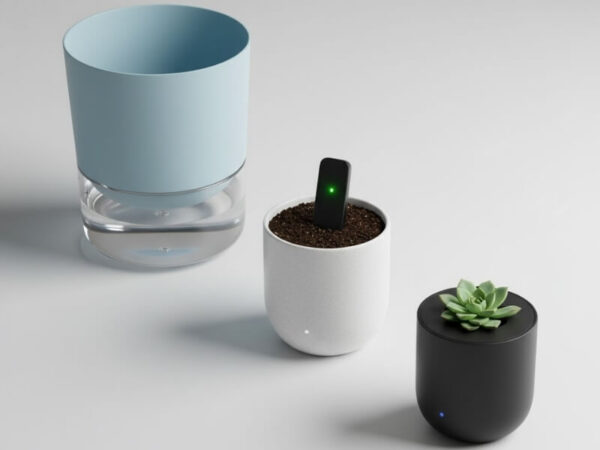
- Water-Hungry Plants (e.g., Ferns, Calatheas): Look for a planter with a large water reservoir capacity.
- Moderate Drinkers (e.g., Monsteras, Pothos): Most standard smart pots will work perfectly.
- Light-Lovers vs. Low-Light Plants: If your plant is fussy about light, prioritize planters with highly accurate light sensors.
Evaluate the Tech Features
- App Connectivity: Do you want simple Bluetooth monitoring for one room, or Wi-Fi connectivity to check on your plants from anywhere?
- Battery vs. USB Charging: Some sensors have long-life batteries, while others need regular charging. Consider what is more convenient for you.
- Additional Metrics: Basic models measure moisture. Advanced ones track light, temperature, and fertility. Decide which data points are most important for your plant collection.
Think About Aesthetics
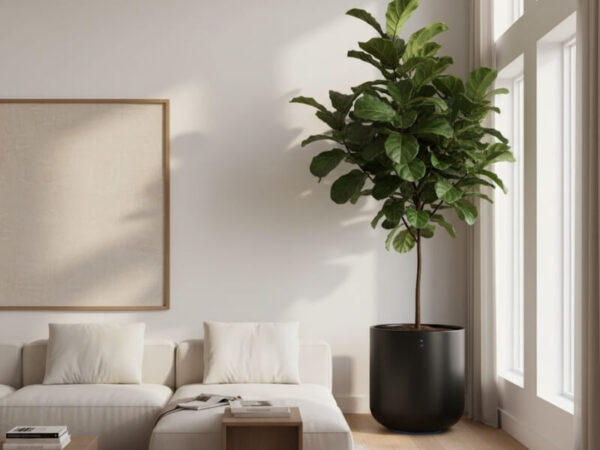
Smart planters come in various materials (ceramic, plastic, metal) and styles (minimalist, modern, rustic). Choose one that complements your home décor, so it looks good even when the tech is hidden. The best one should feel like a seamless part of your interior design, not a clunky gadget. By selecting a planter that aligns with your aesthetic, you ensure your plants remain a beautiful focal point, with the technology working discreetly in the background to keep them healthy.
Setting Up, Maintaining and Troubleshooting
Set up well and a self watering planter needs very little attention.
- Use a quality potting mix. Dense garden soil compacts and wicks poorly.
- Water from the top for the first few weeks, until roots reach the moist zone.
- Fill the reservoir to the overflow point, and let it run low now and then.
- Fertilise lightly. Follow the label, and use less than you would in a standard pot.
- Flush from the top every few months to clear built-up fertiliser salts.
- Clean the reservoir each season, and replace sensor batteries on schedule.
| Symptom | Likely cause | What to do |
| Yellowing leaves, soggy mix, musty smell | Reservoir always full | Let it empty for several days. Check roots, and repot if they’re mushy |
| Brown leaf tips, white crust on soil | Fertiliser salt build-up | Flush from the top, empty the reservoir, use less fertiliser |
| Wilting with a full reservoir | Wick or mix not drawing water | Top-water thoroughly and check wick contact |
| Green slime in the reservoir | Algae | Empty, scrub, and cover the fill port |
| Fungus gnats or mosquito larvae | Damp surface or open water | Let the surface dry, empty the reservoir, add fine mesh |
| Sensor readings look off | Poor probe contact or flat battery | Reseat the probe, replace the battery, check with the finger test |
The Verdict
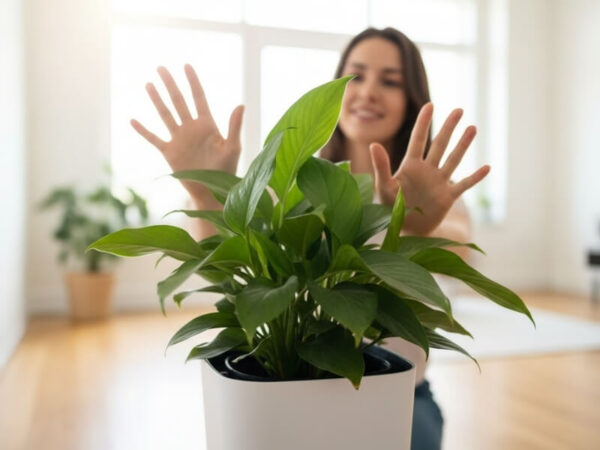
Smart planters are a brilliant fusion of nature and technology, offering a practical and intelligent solution for modern plant care. While they might not replace the joy of tending to your plants completely, they take the stress out of the fundamentals. They handle the fundamentals of watering, allowing you to enjoy the beauty and benefits of your plants without the constant worry.
If you’re ready to stop struggling and start thriving, a smart planter might be the perfect partner for your indoor garden.
Have you tried a smart pot? Share your experience in the comments below!
0 Comments