

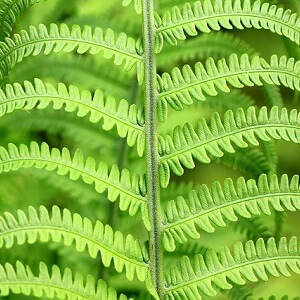
 Ferns are a stunning and versatile addition to any Australian garden, offering a lush, textural appeal that few other plants can match. Their graceful fronds range from delicate and lacy to bold and architectural, making them suitable for everything from shaded garden nooks to bright indoor spaces. Best of all, ferns adapt beautifully to container life, making them accessible for suburban homeowners with sprawling gardens and urban dwellers with nothing more than a small balcony alike.
However, growing these beauties in pots across Australia’s varied climate—from scorching summers to frosty winters—presents unique challenges that require a tailored approach. This comprehensive guide will walk you through everything you need to know, from selecting the right fern and container to mastering watering, humidity, and seasonal care, ensuring your potted ferns thrive in Australian conditions.
This guide is a specialized module within our Potted Species Growing resource hub, part of our broader Pot Plant and Care resource hub.
Selecting the Right Fern for Your Planters
When choosing ferns for growing in planters, consider the following factors:
- Light requirements: Most ferns prefer bright, indirect light or dappled shade.
- Size at maturity: Ensure the chosen fern will fit comfortably in your selected container.
- Climate adaptability: Select ferns that can withstand your local climate conditions.
Some popular fern varieties suitable for container growing in Australia include:
- Rough or scaly tree ferns (Cyathea australis)
- Soft tree ferns (Dicksonia antarctica)
- Bird’s nest ferns (Asplenium australasicum)
- Maidenhair ferns (Adiantum spp.)
- Elkhorn and staghorn ferns (Platycerium spp.)
Choosing the Right Container for Your Fern
Selecting an appropriate container is crucial for the health of your fern:
- Size: Choose a pot that is at least 40 cm deep and allows 2-5 cm of space around the plant’s root ball.
- Material: Plastic or resin containers are preferable as they retain moisture better than clay pots.
- Drainage: Ensure the pot has adequate drainage holes to prevent waterlogging.
For hanging baskets, follow the same size requirements and ensure good drainage.
Soil and Planting
Ferns thrive in well-draining, organic-rich soil that mimics their natural woodland habitat:
- Use a potting mix specifically designed for ferns or create your own by combining:
- Three parts peat-free multipurpose compost
- One part coarse sand or perlite
- One part horticultural grit
- When planting, ensure the crown of the fern (where the fronds emerge) is level with or slightly above the soil surface to prevent rot.
Watering and Humidity
Proper watering is crucial for fern health in Australia’s often dry climate:
- Keep the soil consistently moist but not waterlogged.
- Water at the soil level to avoid wetting the fronds.
- Allow the soil to dry slightly between waterings, but never let it dry out completely.
Ferns thrive in humid environments. To increase humidity in Australia’s dry conditions:
- Mist the fronds regularly, especially during hot, dry periods.
- Place the pot on a tray filled with pebbles and water, ensuring the pot’s base doesn’t touch the water.
- Use a humidifier near your plants, especially if growing indoors.
Fertilising Ferns in Container Gardens
Ferns have relatively low nutrient requirements, but regular feeding can promote healthy growth:
- During the growing season (spring and summer), fertilise monthly with a balanced, water-soluble fertiliser (e.g., Seasol Power Feed).
- In winter, reduce fertilisation to once every 2-3 months.
- Always dilute fertilisers to half the recommended strength to avoid burning the delicate roots.
Light and Temperature
Most ferns prefer bright, indirect light:
- Indoors, place ferns near a north or east-facing window.
- Outdoors, choose a spot with dappled shade or morning sun and afternoon shade.
Ideal temperature ranges for most ferns in Australia are between 15-24°C. Protect outdoor potted ferns from extreme temperatures, particularly in regions with hot summers or frosty winters. In darker courtyards and atriums, shade-friendly planting ideas can help you layer ferns with other plants that enjoy similar protected conditions.
Maintenance and Grooming Ferns in Pots
Regular maintenance will keep your potted ferns looking their best:
- Remove any dead or yellowing fronds to encourage new growth.
- Prune deciduous ferns in late winter before new growth begins.
- Divide and repot ferns every 2-3 years or when they outgrow their containers.
Common Problems and Solutions Growing Ferns in Pots
Watch for these common issues in Australian conditions:
- Brown, crispy fronds: Often caused by low humidity or underwatering. Increase humidity and adjust watering schedule.
- Yellowing fronds: May indicate overwatering or poor drainage. Ensure proper drainage and adjust watering habits.
- Pale, limp fronds: Usually a sign of too much direct sunlight. Move the plant to a shadier location.
- Pests: Ferns can occasionally be affected by scale insects, mealybugs, or spider mites. Treat with insecticidal soap or neem oil.
Overwintering Potted Ferns
For outdoor ferns in colder Australian regions:
- Move containers to a protected area, such as a garage or covered patio, before the first frost.
- Reduce watering but don’t allow the soil to dry out completely.
- Cut back deciduous ferns and mulch the soil surface for added protection.
Growing Ferns on Trees
In Australia’s tropical and subtropical regions, you can grow ferns on trees:
- Start by growing young tree ferns in pots.
- Remove and wrap the roots in tea-tree bark.
- Attach the fern to a rough-barked tree by anchoring it with nylon stockings.
- Place the fern just above a branch to provide extra anchorage.
- Regularly check the ties to avoid wounding the tree, and water weekly.
Suitable ferns for this method include elkhorn and staghorn ferns (Platycerium spp.) and bird’s nest ferns (Asplenium australasicum).
Ferns as Ground Covers
For larger pots or container gardens, consider using ferns as ground covers:
- Gristle fern (Blechnum cartilagineum) is a weed-suppressing groundcover growing to 1m high.
- Rough maidenhair (Adiantum hispidulum) produces decorative, pink fronds but dislikes cold conditions.
- Lacy ground fern (Dennstaedtia davallioides) produces frothy foliage and can act as a root barrier.
Ferns also pair beautifully with flowering shrubs for sheltered planters, especially where you want soft foliage beneath a more structured feature plant.
By following these guidelines, you can successfully grow beautiful, healthy ferns in containers in Australian conditions. Whether used as striking focal points or as part of a larger plant display, potted ferns can bring a touch of lush, green elegance to any space, indoors or out. With proper care and attention to the unique climate challenges of Australia, your potted ferns will thrive and provide year-round beauty to your home or garden.
Complementary Architectural Species
If you appreciate the lush, textured foliage of Ferns, you’ll find Growing Bromeliads in Pots to be an equally rewarding choice for adding vibrant colour and striking architectural form to your container garden. Both species thrive in similar sheltered conditions, making them perfect companions for shaded patios, verandahs, or indoor displays where their contrasting shapes and textures can create a truly captivating botanical showcase.
0 Comments