


Want to turn your planter into a container garden work of art? Garden pots, especially Lightweight Fibreglass Planters, are a versatile and impactful way to enhance outdoor spaces, whether you’re looking to elevate your home or enhance the street appeal of your business. This guide provides step-by-step instructions for selecting, planting, and maintaining garden pots, ensuring that your outdoor areas reflect the highest standards of beauty and functionality.
I learned most of this the hard way — digging garden soil straight into a pot, then watching it set like concrete after the first decent rain. A good horticulture education fixes that kind of mistake fast, but it’s the sort of thing most home gardeners never get told, which is exactly why it’s worth spelling out here.
This post is a part of our comprehensive collection of guides on Pot Planting and Care.
Defining Your Vision
When embarking on a landscape project with extensive use of garden pots, it’s essential to develop a clear vision that you can communicated to the various suppliers and professionals you will need to deal with. Whether it’s written down or in your head is fine – as long as you have your ducks (or pots) in a row.
What are the objectives of this project? Are you aiming to add visual interest to your home’s patio or create an inviting atmosphere for your business’s entryway? Whether it’s adding colour, enhancing privacy, or improving aesthetics, your goals will shape every aspect of the project.
Site Assessment
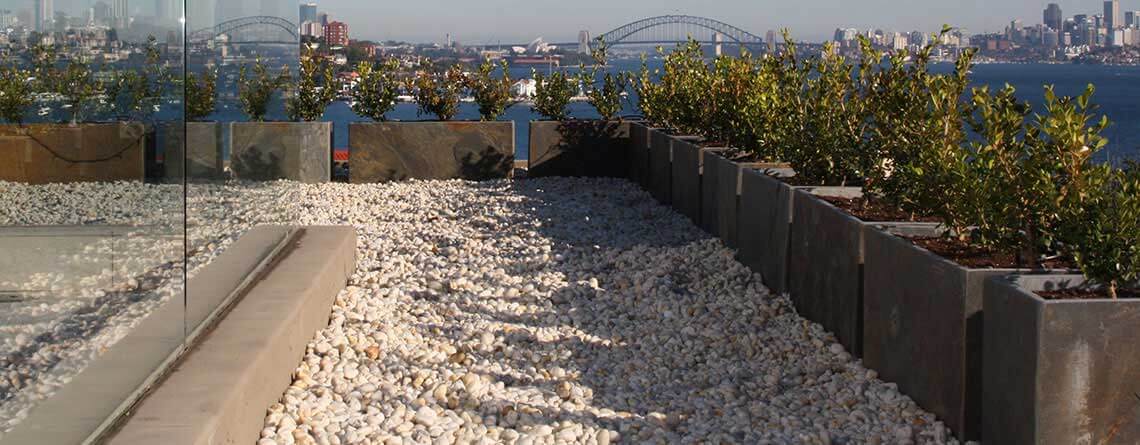
Carefully assess the area where the pots will be placed. Note the amount of sunlight, shade, and wind exposure each spot receives. These environmental factors will influence your choice of plants and their placement. If you’re unsure, consulting with a landscape professional can provide valuable insights.
Budget Considerations
Determine a budget that aligns with your vision while balancing quality and cost. Investing in high-quality pots and plants may require a higher upfront investment, but it often results in better durability and long-term satisfaction, whether for personal enjoyment at home or enhancing your business’s appeal.
Choosing the Right Garden Pot Material
Selecting the perfect pot for your cherished plants is more than just an aesthetic choice. The material of your planter significantly impacts plant health, longevity, and overall garden aesthetics. From the classic terracotta and ceramic, to modern fibreglass planters each material offers unique advantages and considerations. For more detailed information on the various planters materials available and the pros and cons of each I have created a complete guide here: Choosing the Right Garden Pot Material for Commercial and Large Residential Spaces
Choosing the Right Plants
Selecting the right plants is as important as choosing the pots themselves. The plants should thrive in your local climate and fit the design aesthetic of your property.
Climate Compatibility
Choose plants that are well-suited to your local environment. Drought-tolerant plants, such as succulents or native species, are often low-maintenance and ideal for both home and business settings, especially in areas with limited water availability.
For a more location-specific guide, see our recommendations for outdoor potted plants for Sydney, including options suited to balconies, courtyards, and other urban spaces.
Design Aesthetics
Consider the visual impact of the plants. Bold, architectural plants like agaves can create a striking look, while flowering plants like lavender add colour and fragrance. The plants should harmonise with the overall style of your property, whether it’s a cozy home garden or a chic commercial space.
Maintenance Considerations
Be realistic about the level of care you can provide. For low-maintenance options, consider hardy plants that require minimal watering and pruning. If time or expertise is a concern, hiring a garden maintenance service can ensure your plants remain healthy and vibrant.
We have created an extensive guide with lots of specific plant examples for different climates and project use cases. Learn more here: Plant Selection for Container Gardening Guide
How to Plant a Garden Pot or Planter Box: Step-by-Step for Beginners
Once you’ve chosen your site, pot, and plants, planting itself is straightforward — but a few details make the difference between a container garden that thrives and one that struggles from week one.
What You’ll Need
- A garden pot or planter box with drainage holes
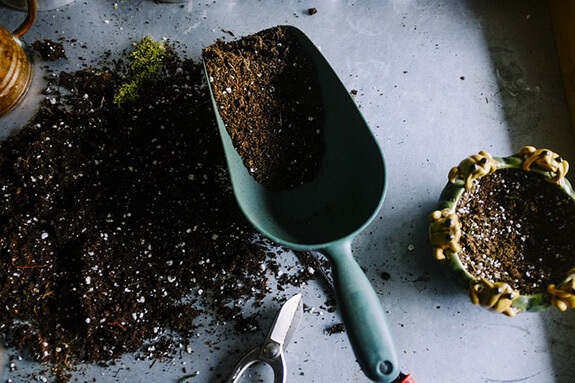
- Quality potting mix (not garden soil — see below)
- The plants you’ve selected
- A watering can
- Slow-release fertiliser
Step-by-Step: How to Plant a Pot or Planter Box
- Check drainage first. Every pot needs a way for excess water to escape. If yours doesn’t have drainage holes, don’t rely on a layer of gravel or crock at the base to compensate — that’s a persistent gardening myth that doesn’t actually improve drainage, and a pot without proper holes will waterlog regardless.
- Use potting mix, not garden soil. Garden soil compacts in a container and drains poorly. A good-quality potting mix is lighter, retains moisture better, and allows roots to breathe.This is the single most common mistake I still see on sites — someone fills a brand-new planter with whatever’s left over from a garden bed, and wonders a month later why the plant’s sitting in a block of compacted mud. Potting mix isn’t an upsell; it’s doing a structural job the garden soil physically can’t.
- Fill the pot, leaving space at the top. Fill with potting mix to about 25cm below the rim as a starting point, adjusting for the size of your root balls.
- Position your largest plant first. Place it at the correct depth — don’t bury the stem higher than it was sitting in its nursery pot — then build out from there with smaller plants.
- Firm the mix at the edges, finishing at least 3cm below the rim. This gap matters: it stops water running straight over the side when you water.
- Add slow-release fertiliser around the plant base and across the soil surface — not directly on the foliage.
- Water thoroughly until it runs from the drainage holes, then hold off watering again for several days to let the roots settle.
To Crock or Not to Crock?
A gardening myth that has persisted for decades is the practice of crocking—lining the bottom of pots with gravel, stones, or broken china to enhance drainage. While this technique was once considered essential, recent horticultural studies have debunked the notion.
Grow and Maintain Garden Pot Plants
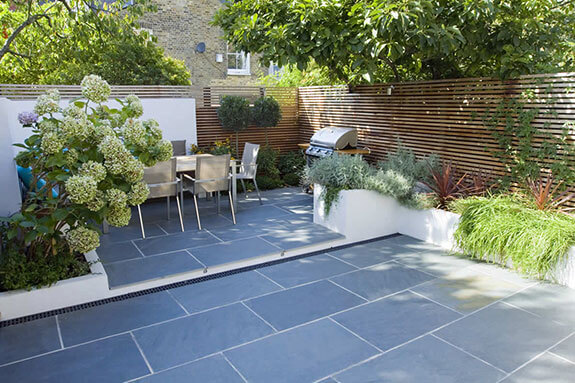
Taking care of plants in containers is a bit different from maintaining traditional “in ground” gardens.
Watering
Timing of watering changes as plants grow.
When plants are small, water a couple of times a week. When plants are larger, they need more water. Remember the good rule of thumb: If the soil is dry down to your second knuckle of your index finger when you stick your finger in the soil, the container needs water.
Container gardens in public places need drip irrigation systems. It makes caring for the container garden easier, as you won’t have to check them to water them as often.
If the weather is extremely hot, one trick to keeping planters watered is to water the container until water runs out the bottom. Fill the saucer upon which the container is sitting with water so it is available during the day.
Fertilising
Plant your container garden with potting mix that has slow-release fertilizer in it, you won’t have to fertilize for a couple of months.
If you’re planting container gardens for a public space, adding slow-release fertilizer is a must. If you don’t use slow-release fertilizer, you’ll have to water with liquid fertilizer.
When fertilising resist the urge to use more than the directions indicate. More is not better.
Deadheading
Deadheading is done to keep your plants in containers looking clean.
It means removing the deadheads, or faded flowers. Some plant stems are soft enough that you can pinch off the dead flowers with your fingers. Others require pruning shears.
For plants flowering at the top of long stems, cut the stem all the way back to the leaves at the base of the stem. Look for a leaf with a tiny swelling or bud between the leaf and the stem, and remove the flower and part of the stem by cutting back to the bud.
With the Seasons
Part of container garden care is renewing and refreshing.
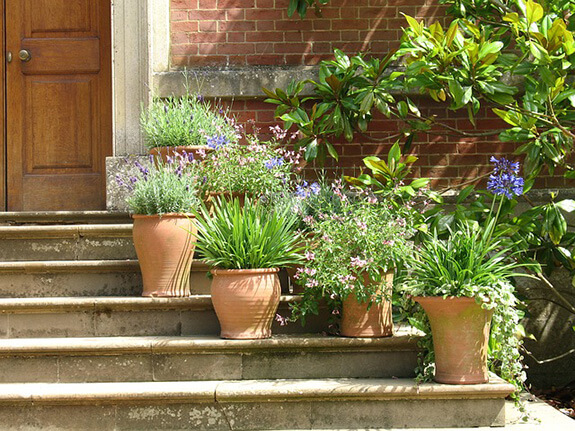
Take a container from summer to winter by planting a small tree or shrub with evergreen leaves or interesting branch structure and color. Replace smaller surrounding plants with the seasons.
You can add:
- Pansies for autumn, winter and spring.
- Perennials for summer and winter.
- Bulbs for spring.
English garden designer, Joe Swift, also adds that:
Pots are a fantastic way of adding seasonal interest and getting more plants in where you have paved areas. And don’t scrimp on the size of the pot. Two or three really big ones is a better option than five or six small ones.
He recommends planting strongly scented plants in your front garden such as Christmas box, a really tough evergreen, which you will notice as you enter or leave your front garden every day.
Keep Pests under Control
Pests will find and attack your plants whether you are in an urban or rural setting. Check under leaves and stems every now and then and look for signs of insects or their eggs.
Keep your plants strong and healthy. Water and fertilise them regularly to help them combat against pests. You may also cover the soil or place barriers around your plants so mice and squirrels can be kept at bay.
If they are not recovering from some disease or pest attack, take a practical approach and cut them off before they start damaging other plants.
Planting FAQs
How do you plant a planter box for beginners?
Start with drainage, fill with quality potting mix (not garden soil), position your largest plant first at the same depth it was growing at in its nursery pot, firm the mix around the edges, then water thoroughly. See the full step-by-step guide above for the complete process.
What do you need to plant a garden pot?
A pot with drainage holes, quality potting mix, your chosen plants, a watering can, and slow-release fertiliser. No specialist tools are required for a standard container planting.
How many plants go in a planter box?
This depends on the box’s size and the mature size of each plant — check the plant’s expected spread and allow enough room that plants aren’t competing for root space once established. A common approach is one feature plant plus two to three smaller companion plants per standard trough.
Do you need special soil for pots and planter boxes?
Yes — always use potting mix rather than soil dug from the garden. Garden soil compacts in containers, drains poorly, and can introduce weeds or pests that aren’t an issue in open ground.
How soon after planting should you water?
Water immediately and thoroughly after planting until it drains from the base, then check again in a few days using the knuckle test rather than watering on a fixed schedule. Living on the Sunshine Coast now, I see the inverse problem just as often — potting mix that dries out faster than people expect in the full Queensland sun, catching out gardeners used to a cooler climate further south. Whichever end of the country you’re planting in, the fundamentals above hold; it’s just a matter of adjusting how often you check that second knuckle.
Final Thoughts
Whether you have a small garden, and whatever its style, there’s always room for some pots and planters. For those who only have a balcony, flat roof or windowsill, you can always rely on containers to become your garden. The process can give you just as much pleasure as any in-ground garden.
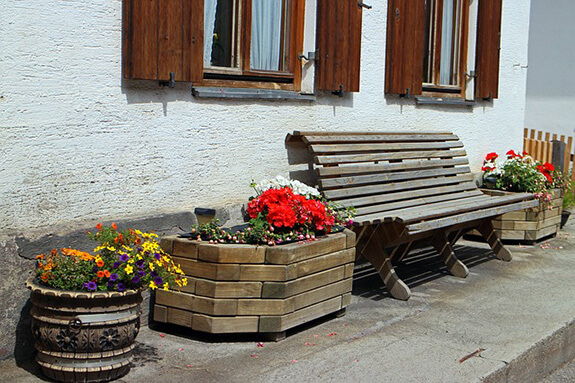
The secret is choosing the best planter to fit your needs – and your plants’. Sigma Planters can provide you a wide selection of containers for whatever plants you plan on using for your garden.
Monty Don, UK writer and speaker on horticulture, points out that a collection of small pots, each filled with just one jewel-like flower, can be as entrancing as an avenue of huge and expensive ones.
On the other hand a large container can become the centrepiece of an entire garden and transform it simply by its presence, as well as providing an opportunity to grow something magnificent in it.
There are a wide variety of containers available in the market, you can design your garden in a way that both fits your needs and complements your unique personality. However you choose to create your container garden, make it your own.
Garden pots and planters are a wonderful addition to any room’s interior design or to an outdoor space. You can grow plants under different conditions, using the container of your choice.
0 Comments