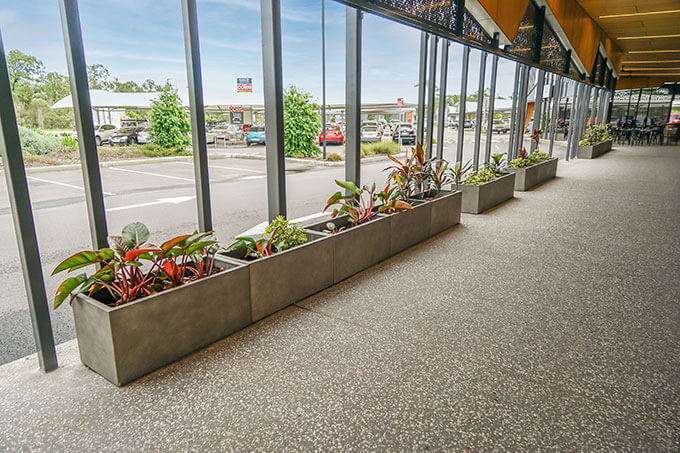
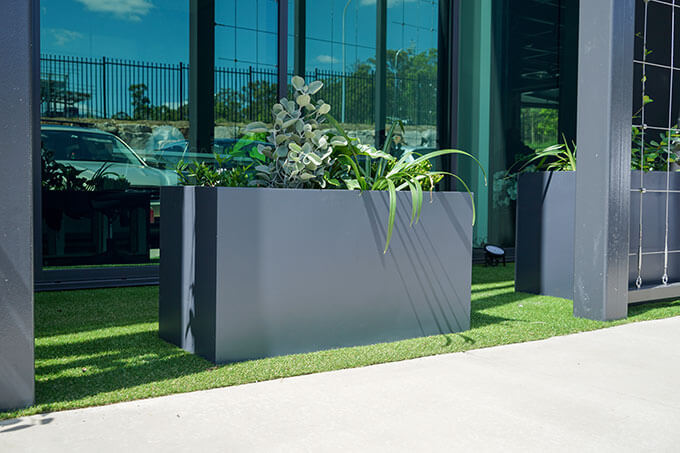
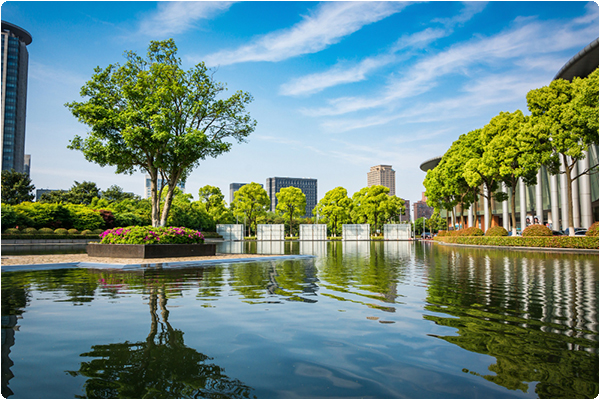
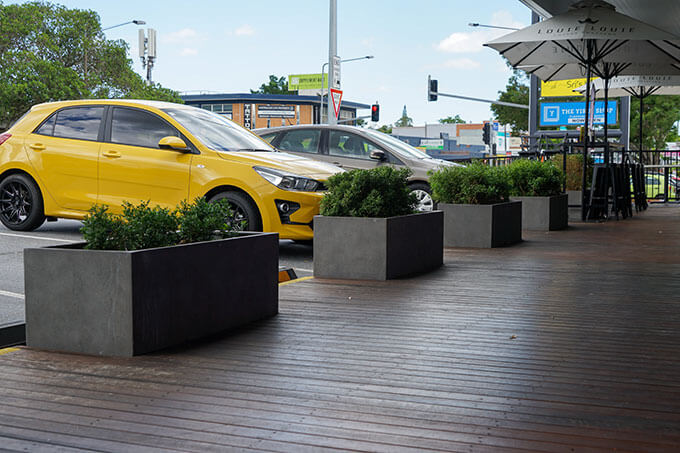
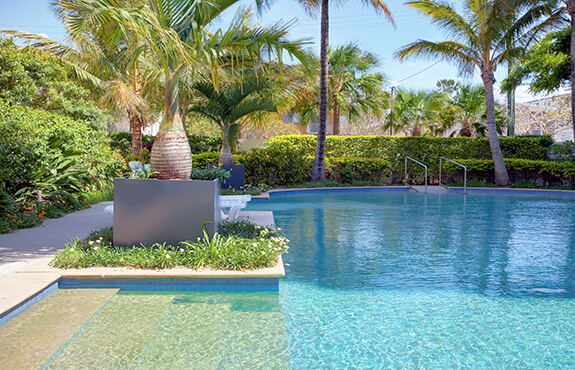
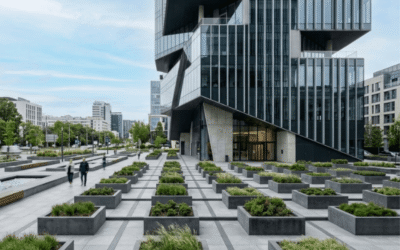
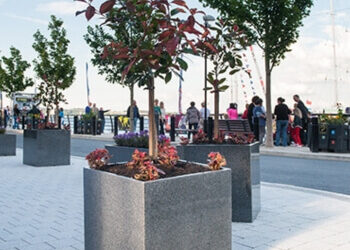
Transforming Australian landscapes through form, function, and greenery. Choosing the right planter is about more than holding plants — it’s about defining a space. Whether you’re working on a private residential courtyard or a high-end commercial development, the right vessel acts as a bridge between architecture and nature, shaping how a space is read and used long before anything is planted in it. Below, you’ll find our guides on planter styling, material selection, and design across residential and commercial contexts, including our dedicated Commercial Planter Design guides for high-traffic and professional projects.
Lighting and Styling
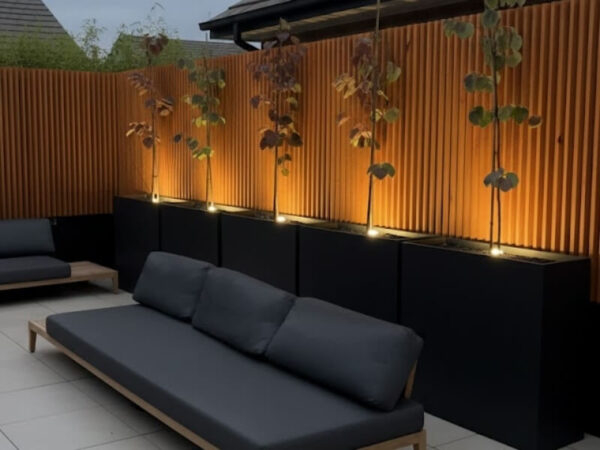
Good planter design doesn’t stop once the pot is filled and the plant is in — how a space is lit and styled after dark is just as much a part of the design brief as the planting itself. Landscape lighting, in particular, has become a core part of how architects and designers extend a space’s usability and atmosphere into the evening, turning a planted feature into a genuine focal point rather than something that disappears at sunset. Shape plays a similarly important role during daylight hours: the geometry of a planter — soft and rounded versus sharp and architectural — sets the tone for everything planted inside it. See our guides on planter lighting and uplighting trees and designing with cube pots and planters.
Material and Form
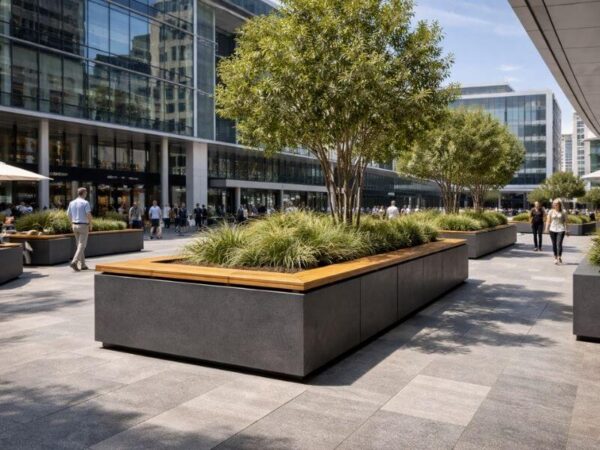
The material a planter is made from does more than determine its price point — it dictates weight, longevity, thermal behaviour, and how well the piece will age against the finishes around it. Some materials that were once industry staples, like natural terrazzo, have fallen out of favour as better-performing lightweight alternatives emerged, while GRC has moved from a niche specification into a mainstream choice for architects seeking a heavier, more grounded aesthetic without the structural burden of poured concrete. Shape decisions — round versus rectangular, tall versus low — carry their own design logic depending on the softness or formality a space calls for. See our guides on choosing the right garden pot material for commercial and large residential spaces, round garden pots in landscape design, integrating GRC lightweight concrete planters in modern architecture, and why we moved on from terrazzo planters.
Interior and Workplace Design

Planters aren’t confined to outdoor landscaping — increasingly, they’re a core part of interior architecture and workplace design. As biophilic design has moved from a niche wellness trend into a mainstream expectation for commercial fit-outs, specifying pots and planters correctly indoors has become its own discipline: factors like light levels, air circulation, foot traffic, and maintenance access all shape which planter and plant combinations will actually thrive rather than decline within months of installation. Done well, indoor planting can measurably improve how a workplace feels and functions for the people using it every day. See our guides on using pots and planters for interior design and biophilic design in the workplace.
Inspiration and Ideas
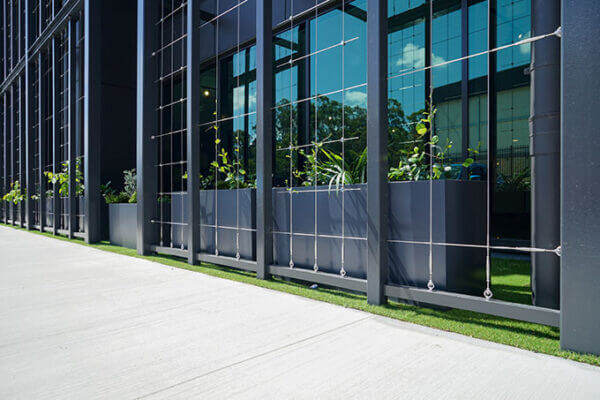
Sometimes the starting point for a design isn’t a technical constraint but a need for fresh ideas — a way to see what’s possible before narrowing down to a specific material, shape, or size. Extra-large and lightweight pots in particular have opened up design possibilities that weren’t practical a decade ago, letting designers introduce a mature, established look to a space without the structural cost that scale used to demand. For broader inspiration across styles and applications, our container gardening guides pull together ideas spanning everything from minimalist courtyards to traditional Japanese garden design. See our guides on big impact, small effort: extra-large outdoor planter pots, creating an outdoor oasis with extra-large lightweight pots, 125 container garden ideas and tips, and the tsubo-niwa: the Japanese art of the miniature courtyard garden.
Industry Context
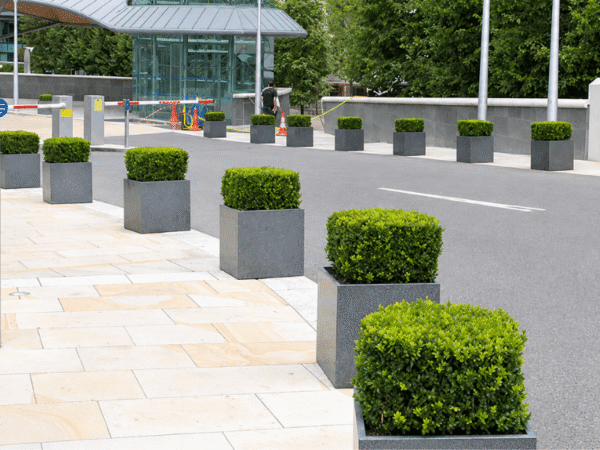
Understanding where planter design has come from helps make sense of where it’s heading. The shift away from heavy, natural materials like granite toward engineered alternatives reflects a broader industry move toward materials that perform better structurally while achieving a similar visual weight. The designers and architects shaping Australia’s landscape architecture industry today are also worth knowing, both for the standards they’ve set and the direction they’re pushing the field. See our guide on the evolution of the planter: from granite to the Moscow range, and our lists of Australia’s top landscape designers and top landscape architects.
Commercial and Professional Projects
Everything above applies broadly across residential and commercial design, but professional and high-traffic environments come with their own distinct set of demands — durability under heavy use, safety considerations, structural load limits, and return-on-investment justifications that a private garden simply doesn’t need to account for. For projects operating at that scale, see our dedicated Commercial Planter Design guides.
Looking for the perfect piece for your project? Browse our large garden planters, fibreglass planters, and lightweight concrete planters ranges.
Below, you’ll find our full library of garden pot and planter design guides.