


Re-vegetation is an effort dedicated to replenishing the native flora of an area using indigenous plants and native rocks for landscaping. Learning about this lovely movement afoot makes all sorts of sense when you realise that designing with the naturally occurring plants of an area accomplishes several things for owners.

As natural inhabitants, these indigenous plants have adapted to the local climate and soil conditions, making them more resilient and far easier to maintain than introduced species. They are naturally more resistant to weed invasion and local pests, reducing the need for chemical intervention and ongoing maintenance. When paired with native rocks for landscaping, they create a cohesive, balanced environment that reflects the character of the region. Beyond practicality, this approach supports local ecosystems and biodiversity, helping landscapes thrive as they were originally intended to.
How can we resist to this exciting and worthwhile effort to restore the natural charm in areas across the country? Thus the name of a series of blogs: “Going Native” is our way of declaring our participation. We’re in!
This guide is part of our Garden Pot & Planter Design Resource Hub, alongside other in-depth resources.
Engaging a Process
We’ll be looking at various landscaping elements as they occur, or have developed, in three areas: Perth, Alice Springs, and Sydney—thinking (hoping) we’ll see an obvious difference among them that clues “Native” design.
In this and the five articles that follow, we’ll explore a sample of native rocks, grasses, shrubs or trees, vines and plants in each of these city-areas to discover how they contrast in their appearance and how they reflect their habitat.
In the sixth article, each city will be featured with a design intention that native materials will inspire and hopefully identifies the area is expressed in the response. All to promote re-vegetation. Pretty exciting stuff!
Perth
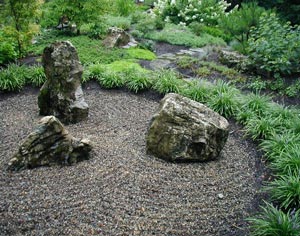 Situated along the shoreline facing the Indian Ocean, the Perth Basin rests on extensive limestone formations. These are layered over ancient geological composites dating back to the Jurassic period. Created from marine sediments over millions of years, this formation plays a defining role in the region’s current soil structure and drainage characteristics. While quarried limestone can be used to great effect in landscaping projects, doing so often requires a generous budget. Not a budget most properties would have. The reality is that the naturally occurring top layer is far more sand than soil. This unique condition presents its own challenges. But it also opens the door to an alternative approach – one that works with the land rather than against it. Kangaroo paws are one native that thrives in exactly these conditions.
Making use of this native material could prove to be a gift to owners who have struggled and failed to grow a lawn in this difficult environment and may appreciate its use. Thinking also about the possibility of it becoming a major design element that inspires a unique garden treatment.
Alice Springs
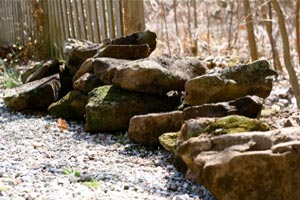 In the desert climate, Mr. Chiot complains bitterly about having to dig out enormous amounts of rocks, from gravel to stones, every time he wants to start a garden. Lucky man! He has a fortune in design materials to work with and, if his experience is any sign of anticipation, hopefully you’ll have the same run of luck. He finally found a use for some of those native rocks for landscaping. Here’s his solution. Almost looks like a row of shoes and boots from this perspective, yes? Finding a natural feature already present in a design site would be more than satisfying, don’t you agree? Now we’re thinking “green.” In dry regions, this same approach supports water-wise landscape design, where native materials and drought-tolerant planting work together.
Sydney
Sydney boasts a remarkable variety of native rocks well suited to landscaping. This reflects the city’s diverse geology and dramatic natural setting. From sandstone escarpments to weathered shale and basalt, these materials have shaped the character of the region. You already know who has what on the nursery tour. And it’s hard not to start imagining the many ways to use these gems as leading elements or features in a natural setting. Native stone can be incorporated as retaining walls, garden edging, or sculptural accents. And it will feel entirely at home in the landscape. In a city that embraces bold, expressive design, working with these elements creates outdoor spaces that feel both grounded and distinctly Sydney. Native planting completes the picture — Australian native orchids are a delicate counterpoint to hard stone.
Are you interested in recreating the natural charm of your place? Don’t hesitate to share this post to your friends and family and join us in our cause in using indigenous landscape assets to revamp areas all across the country.
0 Comments