


Every garden, patio, and balcony has the potential for a touch of unique, natural beauty. While the world of orchids often focuses on exotic tropical varieties, we’re shining a spotlight on a hidden gem much closer to home: the stunningly diverse and surprisingly resilient Australian native orchid, which is perfectly suited to container gardening. Forget the fussy reputation of their cousins. Many of our natives, particularly the terrestrial (ground-dwelling) and lithophytic (rock-dwelling) species. They offer exquisite flowers, delightful fragrances, and the immense satisfaction of cultivating a piece of Australian wilderness.

Today, we’re focusing on one of the best for beginners and aficionados alike: the glorious Dendrobium kingianum, commonly known as the Pink Rock Orchid.
This guide is a part of our comprehensive Potted Species Growing Guides
Why Grow Australian Native Orchids in Pots?
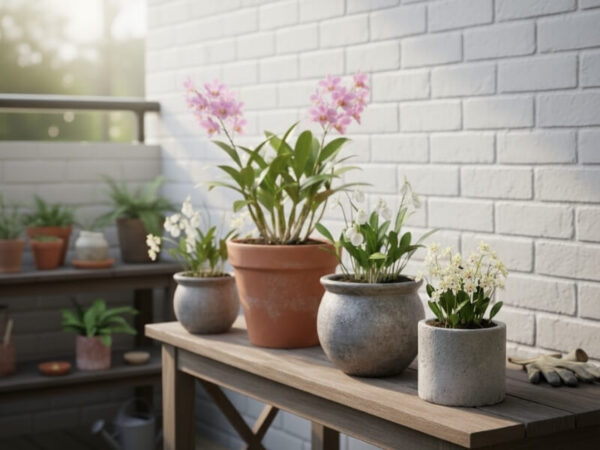
- Perfect Drainage, Perfect Health: Terrestrial orchids abhor “wet feet.” Using a premium, well-draining planter is non-negotiable. Sigma Planters’ designs ensure excess water escapes quickly, preventing root rot and mimicking their natural, well-aerated environments.
- Space Efficiency: Many native orchids are compact, making them ideal for small spaces, vertical gardens, or creating a curated collection on a sunny windowsill.
- Control is Key: Pots allow you to perfectly tailor the growing medium, sunlight, and water to the specific needs of each species, leading to healthier plants and more prolific blooms.
- Star of the Show: Dendrobium kingianum
If you’re going to start with one native orchid, make it this one. Dendrobium kingianum is a tough, adaptable, and incredibly rewarding species.
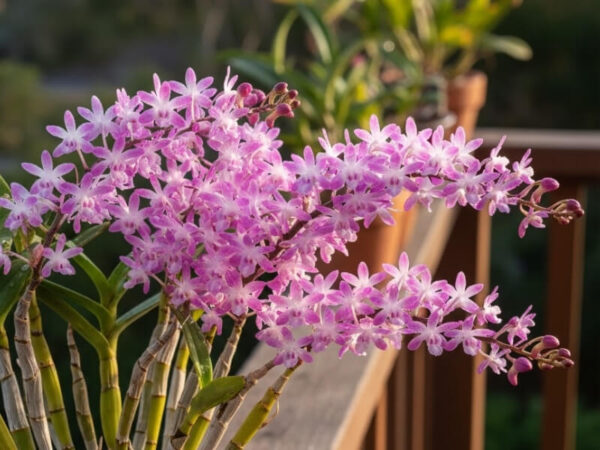
- Appearance: It forms neat clumps of slender, cane-like pseudobulbs. In late winter to spring, it sends up sprays of delicate, star-shaped flowers that range in colour from pure white through soft pink to deep magenta, often with a sweet, honey-like fragrance.
- Nature’s Adaptability: In the wild, it grows on rocks and in sheltered crevices along the east coast, from NSW to Queensland. This history makes it exceptionally hardy and drought-tolerant once established.
Planting for Success: A Foundation for Growth
1. Choosing the Right Planter

This is where the foundation of success is laid. Australian native orchids need exceptional drainage and air flow to their roots.
- Material: Terracotta and ceramic planters are excellent choices. They are porous, allowing the potting mix to breathe and dry out more evenly than in plastic pots. Larger specimens and feature pots need a little more planning, especially when it comes to choosing the right garden pot material.
- Size: Select a planter that comfortably accommodates the root ball with about 2-3cm of space for new growth. Over-potting can lead to the medium staying too wet. A snug fit is ideal.
- Drainage: The most critical feature! Ensure your planter has one or more substantial drainage holes. We recommend adding a layer of gravel or terracotta pot fragments at the base to further prevent any chance of water-logging.
2. The Perfect Potting Mix
Do not use standard potting soil or garden soil. These will suffocate and rot the roots. You need a specialist, free-draining mix.
A simple recipe you can make at home:
- 40% Fine to Medium Pine Bark
- 30% Scoria or Perlite (for aeration and drainage)
- 20% Sieved Coir Peat or Sphagnum Moss (for moisture retention)
- 10% Charcoal (to keep the mix sweet and fresh)
This blend provides the perfect balance of moisture, air, and stability that mimics their natural rocky outcrops.
Different plants have very different container needs, so it’s worth exploring our wider pot planting and care guides if you’re building a varied potted collection.
3. Planting & Positioning
- Light: Dendrobium kingianum loves bright, filtered light. An east-facing position for morning sun is perfect. A little dappled afternoon sun is also fine. Too much direct, harsh sun can scorch the leaves, while too little will inhibit flowering. For another filtered-light container plant, see our guide to growing ferns in pots.
- Planting: Gently place your orchid in the planter, spreading the roots over a small mound of your mix. Fill in around the roots, tapping the pot to settle the medium. The base of the pseudobulbs should be level with the top of the mix. Avoid burying them too deeply.
4. Watering & Feeding
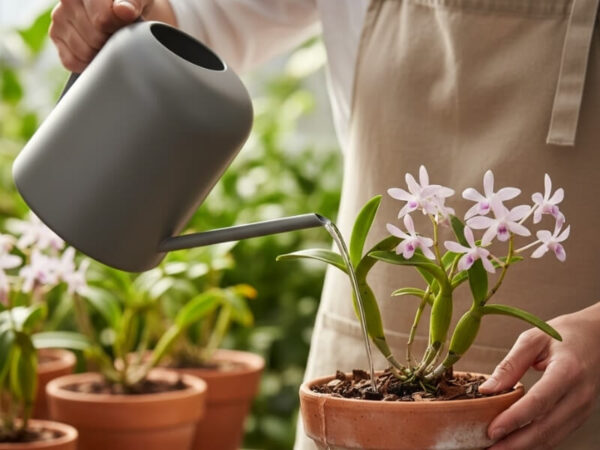
- Watering: The golden rule is to drench then dry. Water thoroughly until it runs freely from the drainage holes, then allow the mix to become almost completely dry before watering again. In cooler months, this might mean watering only every few weeks.
- Feeding: These are not heavy feeders. Use a specialised orchid fertiliser at half-strength, or a native plant fertiliser (which is low in phosphorus), every 4-6 weeks during the active growing season (spring and summer). Reduce or stop feeding entirely in autumn and winter.
5. Encouraging Those Spectacular Blooms

Like many Australian native orchids, these plants rely on a seasonal shift as an essential signal that tells them it’s time to produce their breathtaking flowers. Mimicking this natural cycle is the key to unlocking their full blooming potential. Here’s how to master this critical phase:
- Gradually Reduce Watering: As the days shorten, begin to stretch the time between your waterings. The goal is to prevent the pseudobulbs from shrivelling excessively, not to keep the medium moist.
- Embrace the Cooler Nights: The most crucial trigger is a distinct drop in temperature, especially at night. This natural temperature drop is easy to provide in container gardening. A balcony, patio, or slightly drafty window offers the perfect cool spell. Avoid bringing them into a constantly warm, heated room, as this can prevent flowering.
- Withhold Fertiliser Completely: During this dormancy, the plant’s growth has slowed or halted, and it cannot use the nutrients in fertiliser. Feeding it now can harm the roots and may encourage soft, weak growth at the wrong time of year. A clean rest is a healthy rest.
- Your Reward for Patience: Come late winter, you’ll be rewarded with the emergence of flower spikes. This is the moment to gradually resume watering and begin a light feeding schedule, supporting your orchid as it puts all its stored energy into a stunning floral show.
Other Terrific Species to Try
Once you’ve mastered D. kingianum, why not explore further?
- Sarcochilus species (Fairy Orchids): These offer stunning, often fragrant flowers on elegant sprays. They enjoy conditions similar to D. kingianum but with a slight preference for more humidity.
- Cymbidium suave (Snake Orchid): A tough, clumping orchid known for its arching sprays of numerous small, honey-scented flowers. It’s highly adaptable to various light conditions.
- Pterostylis species (Greenhoods): A fascinating challenge for the adventurous gardener. These deciduous orchids appear in autumn, flower in winter, and die back in spring, requiring a specific seasonal routine.
- Moth Orchids: Elegant and long-flowering, making them a popular choice for indoor or sheltered container displays. They suit gardeners who enjoy refined flowers, compact pots, and a more decorative orchid-growing style.
Your Reward: A Personal Connection to Nature

Growing Australian native orchids in pots is a pursuit that goes beyond ordinary gardening. It’s a gentle art that teaches us to observe, to be patient, and to work in harmony with nature’s rhythms. The reward for this mindful approach is unparalleled: the breathtaking moment when your care culminates in a spray of delicate, intricate flowers that are a true signature of the Australian bush. Embrace the challenge and discover the profound satisfaction of nurturing a living piece of our natural heritage, creating a legacy of beauty right in your own home.
Ready to start your native orchid journey? Find the perfect pot with excellent drainage, source your first plant, and prepare to be amazed by the resilience and beauty of these local wonders.
0 Comments