


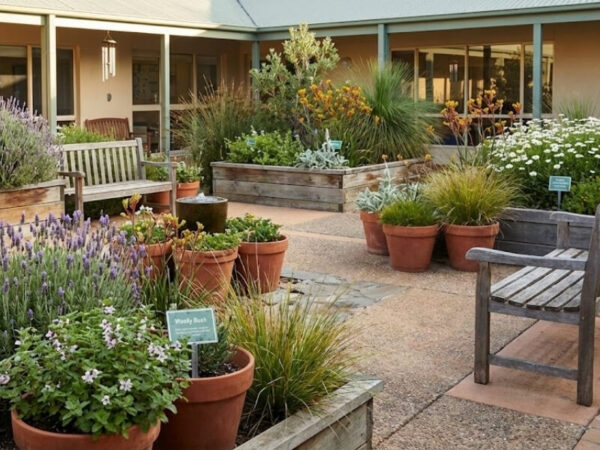
Create a space that calms your mind, sparks curiosity, and brings nature’s simple joys within reach. That’s the magic of a sensory garden. In this guide, we’ll explore how to create this enriching experience in pots—a flexible, accessible approach perfect for schools, aged care centres, hospitals, community spaces, and even your own balcony. Whether you have a sunny courtyard or a shaded walkway, you can cultivate a small pocket of wellbeing.
Potted sensory gardens are ideal because they’re mobile, manageable, and can be tailored to any space or ability. They bring nature to where people are, breaking down barriers and inviting everyone to stop, notice, and engage.
For more posts similar to this one, check out our Pot Planting and Care resource hub.
Why Sensory Gardens? More Than Just Pretty Plants
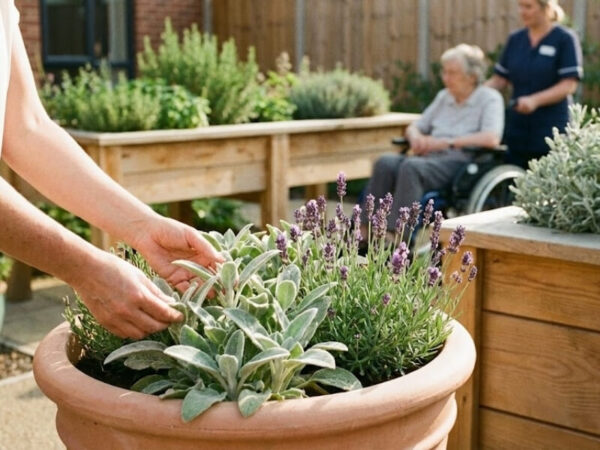
These gardens are intentionally designed to stimulate the senses, offering profound benefits:
- Emotional Wellbeing: Gentle sensory engagement can reduce anxiety, lift moods, and provide comfort. The act of caring for plants fosters a sense of purpose and calm.
- Cognitive Development: For children and adults alike, sensory gardens encourage observation, descriptive language, and curiosity about the natural world.
- Mindfulness & Stress Reduction: Focusing on the scent of a leaf or the sound of rustling grass is a natural form of mindfulness, grounding us in the present moment.
- Accessibility & Inclusion: Potted gardens can be placed on tables or raised onto stands, making them fully accessible for wheelchair users or anyone who finds bending difficult.
Engaging All Five Senses: Your Plant Guide
Here’s how to choose plants that will delight each sense. We’ve focused on tough, readily available plants suited to a variety of climates, creating a living tapestry of experiences in just a few pots.
1. Smell
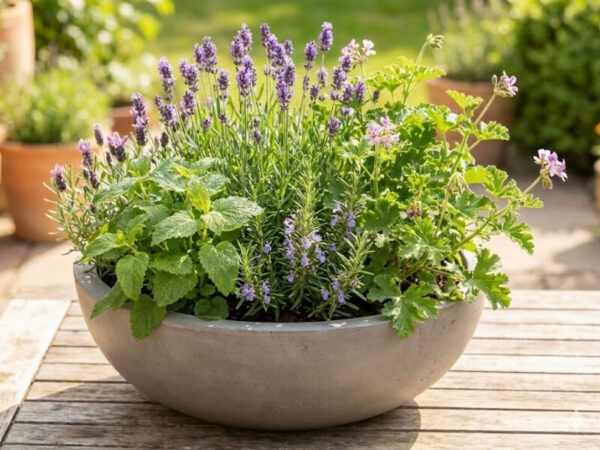
Aromatic potted plants can evoke memories, soothe restless minds, or gently invigorate the spirit.
- Lavender: A classic for calm, its soothing purple flowers and distinctive scent are renowned for promoting relaxation. Choose smaller, compact varieties like ‘Hidcote’ or ‘Munstead’ which thrive in pots and love a sunny spot.
- Lemon Balm: This cheerful herb releases a bright, citrusy scent with the lightest brush of a hand, making it wonderfully interactive. It’s a fast grower, so regular trimming keeps it tidy and provides fresh leaves for a calming tea.
- Rosemary: A robust, herbaceous fragrance that is both grounding and stimulating. Its resilient, needle-like foliage is easy to grow in a sunny pot and can be snipped for cooking, connecting the garden directly to the kitchen.
- Scented Geraniums: These are marvels of the sensory garden, with leaves that smell of rose, lemon, apple, or even peppermint when gently rubbed. They offer endless variety and are perfect for encouraging close, curious exploration.
2. Touch
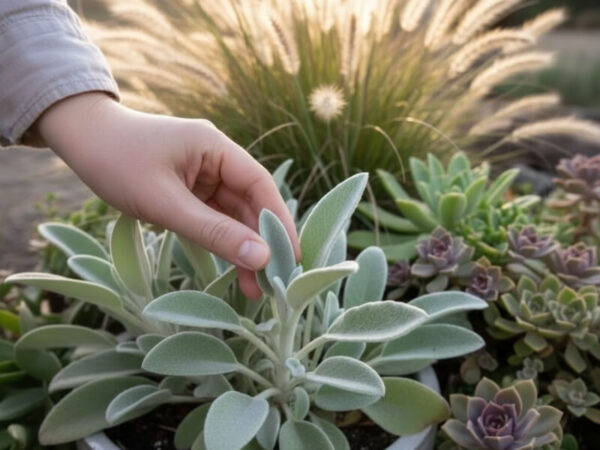
Textural plants invite hands-on interaction, helping to develop motor skills and provide fascinating tactile feedback.
- Lamb’s Ear (Stachys byzantina): Incredibly soft, velvety leaves that feel like living felt, providing a profoundly soothing sensation that is often a favourite with people of all ages and abilities.
- Ornamental Grasses: Like the elegant fountain grass (Pennisetum), these are perfect for running fingers through, offering a whispering, tickling feeling and the sound of soft rustling with every touch.
- Succulents: Such as the powdery-blue blue chalk sticks (Senecio serpens) or the trailing strands of donkey’s tail (Sedum morganianum), they provide cool, smooth, or plump and juicy textures that are fascinating to gently handle.
3. Sight

Create visual interest with colour, shape, and movement to stimulate observation and joy.
- Bright Flowers: Use seasonal colour for instant impact and to mark the passing of time. Pansies offer cheerful “faces” in cooler months, marigolds bring vibrant warmth all summer, and dwarf sunflowers deliver a spectacular, towering burst of joy.
- Foliage Contrast: Play with leaves for year-round visual drama. Combine the shimmering, silvery leaves of dusty miller, the deep purple ruffles of coral bells (Heuchera), and the cascading patterns of green variegated ivy for a stunning, low-maintenance display.
- Seasonal Planning: Plant spring-flowering bulbs like crocus or tulips for a surprise rebirth each year, or keep interest high by rotating pots of colourful annuals like petunias or snapdragons as the seasons change.
4. Sound
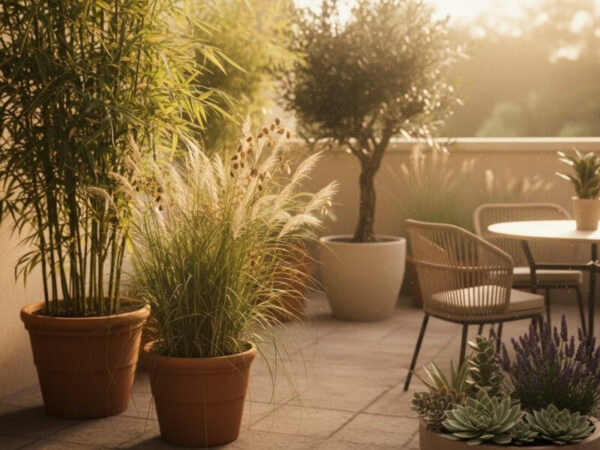
Plants that whisper and rustle add a dynamic, calming layer of sound, turning a breeze into a natural symphony.
- Bamboo: The gentle, rhythmic clacking of its canes is wonderfully peaceful. Crucially, always choose a clumping variety (like Bambusa or Fargesia species) and plant it in a large, sturdy pot to enjoy its music without the risk of invasive spread. For more advice on using bamboo safely in contained spaces, bamboo for sound and movement can add a peaceful, interactive layer.
- Ornamental Grasses: Choose tall, graceful varieties that catch the breeze, like maiden grass (Miscanthus). Their long blades and feathery plumes create a sustained, soothing rustle that is the quintessential sound of a peaceful garden.
- Seed Heads: Don’t deadhead all your flowers! Leave the papery pods of honesty (Lunaria) or the delicate globes of love-in-a-mist (Nigella) to dry on the plant; they create a subtle, charming rattle when shaken by the wind or a careful hand.
5. Taste (Where Safe & Appropriate)
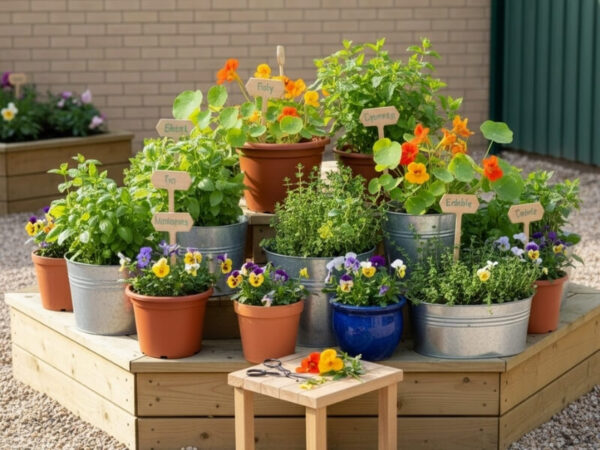
Edibles add a direct, rewarding connection to the garden, offering a safe and delicious conclusion to the sensory journey.
- Mint: It grows vigorously in a pot—which is ideal, as it contains its spread. Perfect for picking a leaf to crush and smell, or to brew into a fresh, digestive-friendly tea, offering a refreshing taste of the garden.
- Basil & Thyme: These delicious, fragrant herbs are sensory powerhouses. Sweet basil provides large, aromatic leaves perfect for tasting, while creeping thyme forms a fragrant mat with tiny, flavourful leaves, encouraging gentle exploration.
- Edible Flowers: Nasturtiums bring a vibrant, peppery kick to salads, while violas offer a mild, sweet flavour and gorgeous colour for decorating cakes or drinks. Crucial: Only use plants grown organically from seed or bought as certified edible plants, never from standard garden centres where they may have been treated with systemic pesticides.
Designing Your Potted Sensory Garden: Practical Tips
Accessibility is Key
- Height: Use raised planters, sturdy tables, or pot stands to bring gardens to a comfortable height for all users.
- Materials: Choose stable pots without sharp rims. Lightweight materials are easier to move.
- Grouping: Cluster pots in “sensory stations” by theme (e.g., all scent plants together) to create defined experiences.
Potting for Success
- Pot Size: Ensure pots are large enough for the plant’s roots and have excellent drainage holes.
- Soil & Drainage: Use a premium quality potting mix. For succulents, add extra perlite or sand for drainage.
- Watering: Group plants with similar water needs (e.g., keep thirsty herbs separate from drought-tolerant succulents).
Let’s Get Started: Your Step-by-Step Guide
- Plan Your Space: Identify a spot with the right light for your chosen plants. Even a series of pots along a path will work.
- Gather Supplies: Pots, potting mix, plants (using our sense guide), and a watering can.
- Pot Up: Place a piece of broken pot or a small mesh over drainage holes. Part-fill with mix, position your plant, and fill around it. Water well to settle.
- Create Your Layout: Arrange your pots by sensory theme. Leave space between them for easy access.
- Add Labels: Create clear labels with the plant name and a simple instruction.
Safety First: A Non-Negotiable Priority
- Non-Toxic Plants: Always double-check plant toxicity, especially for facilities with young children or people with dementia. When in doubt, leave it out.
- Supervision: Tasting activities must always be supervised. Clearly separate “look and smell” plants from “taste” plants.
- Physical Safety: Secure heavy pots so they can’t tip. Avoid plants with sharp thorns or spikes in high-traffic areas.
Bringing the Garden to Life: Activity Ideas
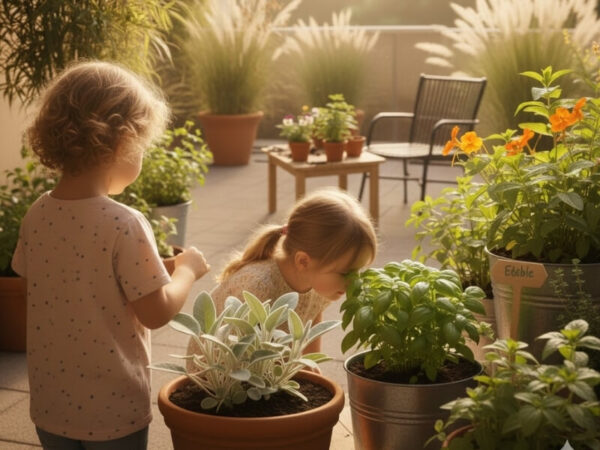
- Sensory Walk: Arrange a series of tactile and aromatic pots along a pathway for a guided experience, creating a journey that can be tailored for mindfulness practice or as a stimulating exploratory trail for children.
- Sound Corner: Cluster rustling grasses and bamboo with a comfortable seat to create a peaceful listening nook, a dedicated retreat for moments of quiet reflection or for sound-focused therapeutic exercises.
- Colour Hunt: Create activities asking participants to “find something red” or “collect three different textures,” turning observation into an engaging game that sharpens cognitive skills and descriptive language.
- Potting Workshops: The act of planting itself is a fantastic, therapeutic group activity, fostering teamwork, a sense of accomplishment, and a tangible connection to the living garden they will help nurture.
A Final Word of Encouragement
Creating a potted sensory garden is a deeply rewarding project that sows seeds of wellbeing. It’s a living resource for learning, therapy, and quiet moments of joy. It doesn’t have to be perfect—start small with a few pots of lavender, mint, and lamb’s ear, and grow from there.
We invite every community space, school, and healthcare facility to consider how a few pots could transform a corner and touch a life. Get your hands dirty, and watch not just the garden, but the people in it, begin to flourish.
0 Comments