


The medicines we see today—from heavy antibiotics to common syrups—did not exist a century ago. In the past, people relied exclusively on herbal remedies and traditional medicine. For thousands of years, plants have been used to treat human ailments. Even cosmetics and perfumery were derived from extracted plant oils.
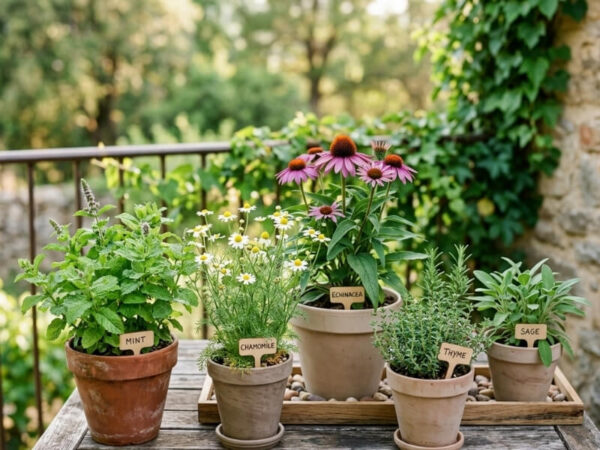
Fast forward to the present, and in many ways, nothing has really changed. While modern pharmaceuticals dominate the market, medicinal plants remain a primary source of health for much of the world. The late American botanist James A. Duke noted that around 25% of all modern prescription drugs are derived from plants, or contain at least one plant-based phytochemical. More recent estimates suggest this figure may be even higher when including complex biologics inspired by natural compounds.
“Gardening with herbs in Flower Pots, which is becoming increasingly popular, is indulged in by those who like subtlety in their plants in preference to brilliance.”
– Helen Morgenthau Fox
The World Health Organisation (WHO) reveals that approximately 80% of the global population still relies on raw herbs and unrefined extracts for primary healthcare. This reliance is even more pronounced in developing nations, particularly across Africa and parts of Asia, where traditional medicine is deeply embedded in cultural practices.
This guide is part of our Pot Planting and Care Resource Hub, alongside other in-depth resources.
Why Grow Medicinal Plants in Pots?
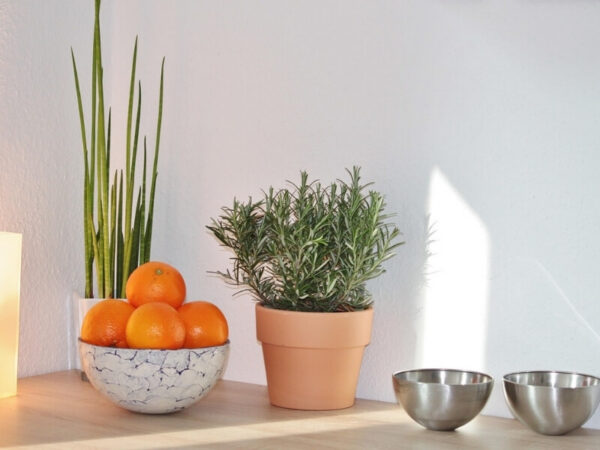
Growing medicinal plants in pots—whether on a sunny balcony, a paved courtyard, or a kitchen windowsill—offers a range of benefits that traditional garden beds cannot always provide. Container gardening allows for greater control over soil quality, sunlight exposure, and watering. It also prevents invasive herbs, such as peppermint and lemon balm, from overtaking your garden.
For urban dwellers or those with limited mobility, potted medicinal gardens offer an accessible and manageable way to cultivate healing plants. With the right care, a collection of pots can provide a thriving, portable apothecary just steps from your kitchen.
Medicinal Plant Properties
The connection between botany and healing has ancient roots. The first modern botanical gardens, founded in 16th-century Italy in Pisa, Padua and Florence, were medicinal plant gardens attached to medical faculties. Long before this, however, monastic communities had been cultivating medicinal herb gardens for centuries, a tradition already well established by the 14th century.
The term ‘medicinal plant’ refers to plants or plant products used by humans to protect against or treat illness. A plant is considered to have medicinal use if it contains chemical components that can elicit a therapeutic response in the human body. This clarifies that not every plant is medicinal; ongoing research is essential to identify new species with beneficial properties.
The medicinal qualities of plants are due to biologically active substances, which include:
| Compound Type | Common Role |
| Alkaloids | Pain relief, stimulants |
| Glycosides | Heart medications |
| Flavonoids | Antioxidants, anti-inflammatory |
| Tannins | Astringent, wound healing |
| Essential oils | Antimicrobial, calming |
| Saponins | Expectorants, immune support |
| Mucilages | Soothing, digestive aid |
Aromatic Medicinal Herbs
The term ‘herbal drug’ is used to describe the parts of a plant used for preparing medicines. Botanists often define an herb as a small, seed-bearing plant with fleshy, rather than woody, parts. However, in a broader sense, herbs also include trees, shrubs, annuals, vines, and more primitive plants such as ferns, mosses, algae, lichens, and fungi.
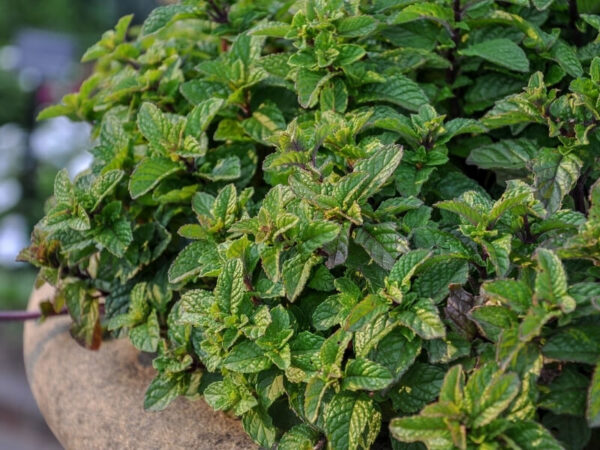
These plants are valued for their flavour, fragrance, and medicinal qualities. Herbs with a strong fragrance—often called aromatics—tend to have a remarkably powerful effect on the body. These plants are generally described as having a spicy, pungent, or acrid taste. Peppermint (Mentha × piperita) is one of the best-known aromatics, prized for its digestive and soothing properties.
Herbal Preparation
Most herbal medications are simple to prepare at home. Here are the most common methods:
- Infusion or tea: Pour boiling water over fresh or dried leaves, stems, or flowers. A standard ratio is one ounce of herb to a pint of water. Steep for 10 minutes.
- Decoction: Used for hard or woody parts like bark, roots, or seeds. Simmer the plant material in water for 3 to 4 minutes, then steep for an additional 2 to 10 minutes.
- Cold extract: Use double the amount of herb. Steep leaves, stems, or flowers in cold water for up to 12 hours.
- Tincture: Steep dried, powdered herb in a 1:1 solution of alcohol and water for about two weeks. Shake the bottle daily, then strain.
- Poultice: Crush or bruise fresh medicinal plant parts, heat the pulp, and apply directly to the affected area.
Essential oils from herbs are obtained through four main methods: distillation, solvent extraction, enfleurage, and maceration.
Growing a Medicinal Pot Garden
Medicinal plants are experiencing renewed popularity as key ingredients in health foods, teas, and preventative wellness practices. To save time and money, you can stock your patio, balcony, or windowsill with a selection of basic medicinal plants known to treat common ailments such as inflammation, minor cuts, colds and flu, poor digestion, and insomnia.
Planning Your Pot Garden
Most herbs are not difficult to grow. Many produce lovely flowers and interesting foliage that can beautify your space. A wide range of herbs grow exceptionally well in pots, either indoors or outdoors. They are often adaptable to various climates and soil types, and many are naturally pest-resistant, making maintenance easier.
For new gardeners, the best rule is: aim small.
When starting a medicinal herb garden for the first time, keep things simple. Fill a few pots on the patio or a window box. If you start small and experience success, you’ll be inspired to expand.
What Medicinal Plants to Use in Pots?
Think about the herbs you use most often. Are you always reaching for peppermint tea, chamomile for sleep, or echinacea at the first sign of a cold? You can also expand your selection with culinary herbs such as chives, which are easy to grow in containers. Research the growing conditions each plant needs, paying special attention to sun exposure, soil type, and temperature tolerance.
Here are five basic herbs that thrive in pots and are highly recommended for beginners:
Purple Coneflower (Echinacea purpurea)
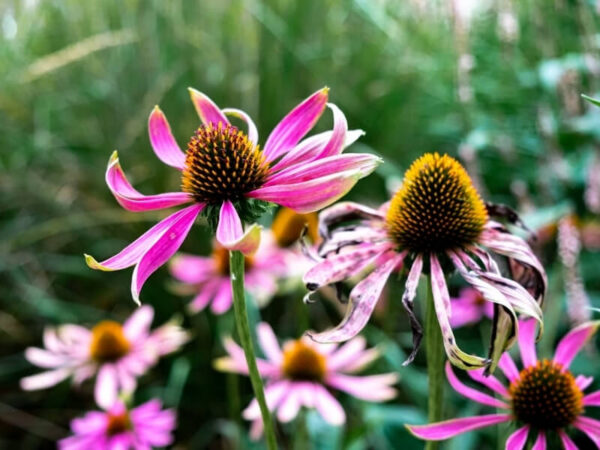
One of the top-selling herbs in health-food stores, echinacea does well in any well-drained potting mix and can tolerate up to half shade. It is often used during cold and flu season to help alleviate symptoms and support immune function. Choose a deep pot to accommodate its taproot.
Yarrow (Achillea millefolium)

Historically, yarrow poultices were used to stop bleeding on ancient battlefields. Research shows it contains over 120 chemical components that may ease digestion, calm anxiety, and reduce inflammation. Yarrow is remarkably low-maintenance, pest-free, and winter-hardy, making it an excellent choice for larger pots.
Lemon Balm (Melissa officinalis)
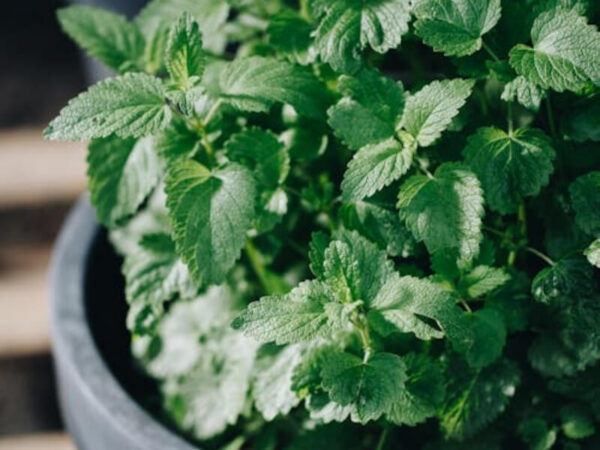
Traditionally used to reduce fevers, treat colds, and calm the digestive tract, lemon balm is a fantastic potted herb because it is most effective when used fresh or freshly dried. Caution: It spreads vigorously, so a pot is essential to keep it contained.
Peppermint (Mentha × piperita)
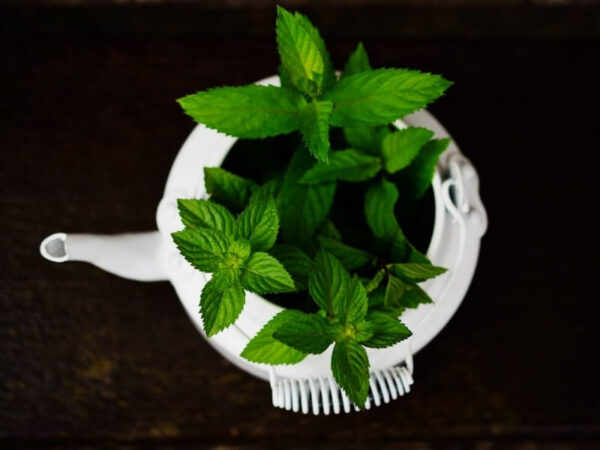
Mint is mentioned in the world’s oldest surviving medical text (dated 16th century BCE) as a stomach aid. It is ideal for pots or containers as it can quickly become invasive in garden beds. Peppermint tea is delicious, refreshing, and excellent for digestion.
Chamomile (Matricaria chamomilla)
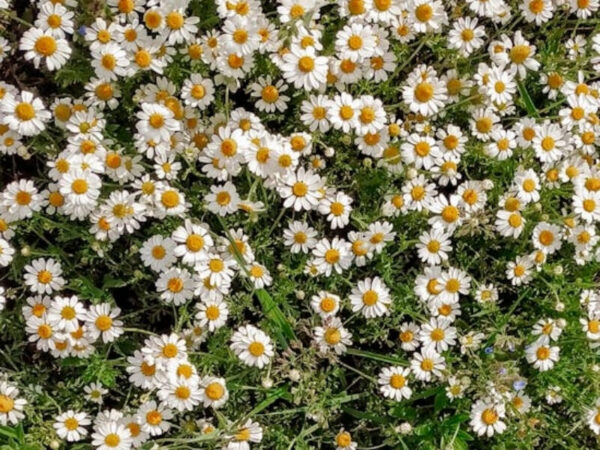
People have used chamomile tea for centuries as a gentle sleep aid and calming nervine. It is perfect for beginners as it can be easily grown from seed. The daisy-like flowers usually appear within six weeks of planting. Grow it in a shallow, wide pot.
Where to Find Medicinal Herb Plants
You can order seeds or seedlings from reputable seed houses in Australia. Many provide helpful descriptions and reliable, viable seeds. For those who prefer not to grow from seed, you can start with potted seedlings or root cuttings from nurseries or online vendors specialising in medicinal herbs.
How to Plant Herbs in Pots

Most herbs thrive in pots or window boxes. Most prefer full sun, provided regular summer temperatures do not consistently exceed 32–35°C.
Materials needed:
- Planter or container (at least 20–30 cm deep)
- High-quality potting mix (not garden soil)
- Watering can with a fine rose
- Slow-release organic fertiliser
Steps:
- Choose the right container: Larger containers are better because they retain moisture more evenly. Aim for a pot at least 30–40 cm in diameter for most herbs.
- Fill with potting mix: Fill your pot with premium potting mix, leaving about 5 cm of space from the rim. Potting mixes provide the ideal balance of pH, drainage, and nutrients for container growth.
- Plant your herbs: Gently remove plants from their starter containers and place them into the new pot. Press soil lightly around the roots to eliminate air pockets.
- Fertilise: Sprinkle slow-release organic fertiliser over the soil surface. Choose a fertiliser designed for edible or culinary herbs to encourage healthy leaf growth without excessive flowering.
- Water wisely: After planting, water thoroughly until water drains from the bottom. Wait several days before watering again. Do not overwater—herbs prefer slightly drier conditions, and overwatering can lead to root rot and fungal diseases.
- Place in position: Position your pots in a location that meets the sunlight needs of your herbs. Most culinary and medicinal herbs require at least 5–6 hours of direct sunlight daily.
By growing your own aromatic and medicinal plants in pots, you create a living, accessible apothecary tailored to your needs—whether you have a sprawling garden or a small urban balcony. Happy growing
0 Comments