


For many indoor gardeners, the humble plant drip tray is seen as a non-negotiable accessory. We’re told they protect our floors, catch the run-off, and keep things tidy. But if you’ve ever mopped up a muddy spill from a pristine carpet or noticed your favourite fiddle-leaf fig looking a bit sad, you might have started to suspect the truth.
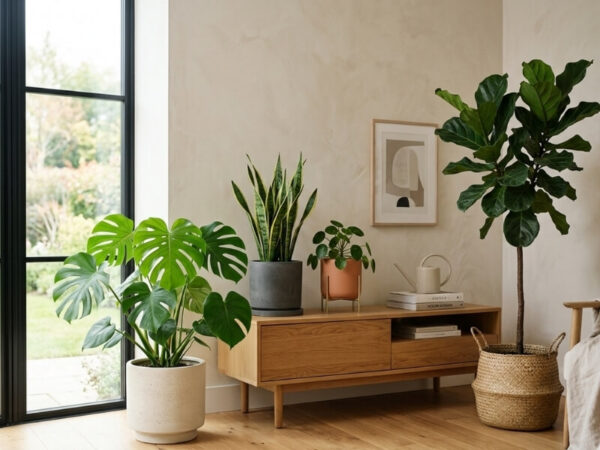
While plant drip trays are often praised as a practical solution for preventing water damage and maintaining a tidy garden planter box space, the reality is they can create more mess than they prevent and may ultimately harm your plants. In this post, we’ll take a closer look at the hidden drawbacks of drip trays and explore some smarter, more effective alternatives—including a fresh perspective on how to choose the right planter to begin with.
This guide is part of our comprehensive Planter Drainage and Watering Guides Resource Hub
Making More Mess Than They Solve

It’s the irony every indoor plant lover knows too well. One of the most frustrating aspects of using plant drip trays is their tendency to overflow, often creating a bigger disaster than the one you were trying to avoid. When a drip tray fills up unnoticed—usually after a heavy watering session—excess water can spill over the edges, soaking surrounding areas. This is particularly problematic in Australian homes with hardwood floors, carpets, or expensive timber furniture, which can be stained or warped by even a small amount of standing water.
Root Rot and Fungal Diseases
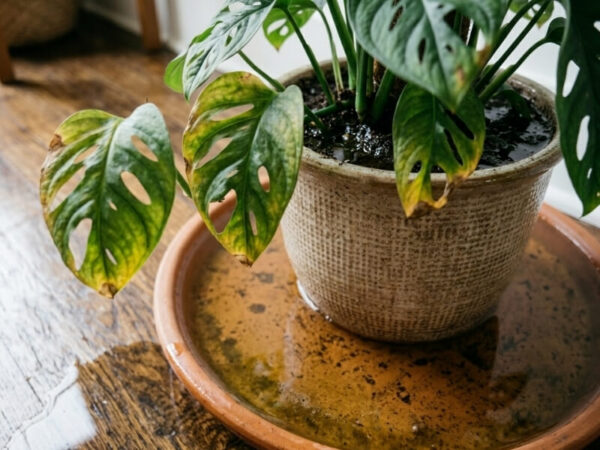
Perhaps the most significant issue with drip trays is that they can inadvertently become a breeding ground for plant disease. When excess water accumulates in the tray and sits stagnant, it creates a humid, oxygen-deprived environment that is ideal for harmful pathogens like Phytophthora and Pythium. These pathogens attack the root system, leading to root rot—a condition that is often fatal by the time you notice the yellowing leaves. By allowing the pot to sit in its own runoff, you are essentially forcing the roots to soak in water that the plant has already rejected.
For a deeper dive into common drainage myths—like whether placing broken pottery at the bottom of a pot actually helps—check out our related article: To Crock or Not to Crock Garden Pots?
Attracting Pests
Standing water is an open invitation for unwelcome guests. In the warmer months, drip trays filled with stagnant water can attract pests such as mosquitoes, fungus gnats, and cockroaches. Fungus gnats, in particular, are a nuisance for indoor gardeners; they lay their eggs in the moist soil, and their larvae feed on organic matter and tender root hairs, compromising your plant’s health and creating a frustrating cycle of infestation.
Aesthetics and Maintenance
To be clear, most drip trays aren’t exactly design features. While they serve a functional purpose, they often detract from the beauty of a well-chosen planter. They collect dust, dirt, and mineral deposits from tap water, forming unsightly rings that require scrubbing. For larger plants, moving a heavy ceramic pot to empty a tray filled with murky water is a chore that often gets postponed—leading to the overflow issues mentioned above.
The (Often Overstated) Cost of Drip Trays for Large Planters
One of the often-overlooked drawbacks of using drip trays for large planters is the potential cost—but this deserves some nuance. A basic, functional large plastic drip tray typically costs between $5 and $15, which is perfectly reasonable. However, if you insist on a decorative matching saucer in terracotta, ceramic, or glazed stoneware, that can indeed cost $100 or more. The key is to separate function from fashion: buy a cheap, invisible tray and hide it beneath a beautiful planter, or skip the tray entirely using one of the methods below.
Rethinking the Planter: A Better Foundation
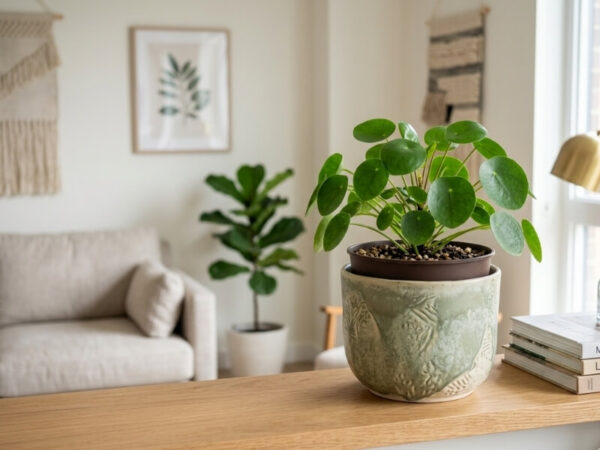
Instead of relying on a separate tray to manage water damage, a more elegant solution is to reconsider the planter itself. Modern gardening has moved beyond the standard “pot and saucer” combo.
Decorative planters without drainage holes are having a moment—but only when used correctly. Rather than planting directly into a hole-less pot (which is a recipe for root rot), use the cachepot method. Select a beautiful, high-quality planter that complements your interior style. Place a standard plastic nursery pot (which has ample drainage holes) inside it. The outer planter acts as the drip tray, catching any excess water without the unsightly plastic rim. This method keeps your plant healthy, allows for easy lifting to check water levels, and ensures that your decor remains pristine.
Effective Alternatives to Drip Trays
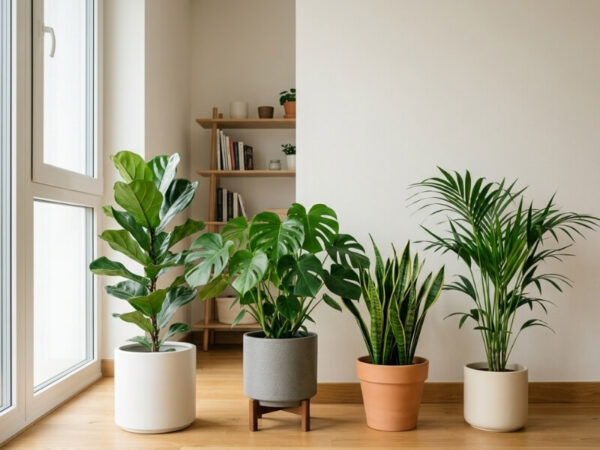
If you’re ready to ditch the plastic saucers, here are several methods that offer better results for your plants and your sanity.
Drip Irrigation

Drip irrigation is a highly efficient watering method that delivers water directly to the roots of your plants. This helps to prevent overwatering and reduces the risk of root rot and fungal diseases by ensuring water goes exactly where it’s needed—and nowhere else. Drip irrigation systems are surprisingly affordable and require minimal maintenance once set up, making them ideal for busy households or holiday watering.
Sealing Planters and Keeping Plants in Original Pots
This is the gold standard for indoor plant care. First, if you have a porous planter you love, consider sealing the drainage holes by applying silicone caulk, epoxy resin, or even a layer of concrete to the bottom to create a waterproof barrier. Then, keep your plant in its original plastic pot with drainage holes. You can then place this plastic pot inside the larger decorative container. This allows you to water the plant thoroughly, let it drain completely in the sink or outdoors, and then return it to its home—ensuring no standing water ever accumulates in the decorative planter.
Self-Watering Planters
These innovative planters have a built-in reservoir at the bottom connected to the soil via a wicking system. As the soil dries out, moisture is drawn up from the reservoir. This reduces the need for frequent watering and helps maintain consistent soil moisture levels, eliminating the need for a drip tray entirely.
Bottom Watering
Bottom watering involves placing the plant pot in a shallow basin or sink filled with water. The soil absorbs water through the drainage holes via capillary action. This technique encourages deep root growth and prevents overwatering, as the plant only takes what it needs. Once the top of the soil feels moist, you remove the plant, let it drain, and return it to its spot—no tray required. Important: this method requires no permanent drip tray, but you will need a temporary basin, sink, or removable tub to hold the water during the process.
Humidity Trays
For tropical plants that crave humidity, a pebble tray is often confused with a drip tray. A proper humidity tray is a shallow dish filled with pebbles or stones. You add water until it sits just below the top of the pebbles. You place the pot on top of the pebbles, ensuring the pot is not sitting in the water. As the water evaporates, it increases humidity around the plant without risking root rot.
Pot Risers / Plant Feet (The Simple Fix)
Here’s the easiest solution that almost no one mentions: don’t get rid of your drip tray—just elevate the pot inside it. For $2–5, you can buy rubber or cork pot feet, terracotta risers, or even use a layer of pebbles. Lift the pot 1–2 cm above the bottom of the tray. Now any excess water collects below the pot, not touching the drainage holes. The tray still catches spills, but the pot isn’t sitting in stagnant water. This single fix eliminates root rot risk and most pest issues while keeping the convenience of a drip tray.
By carefully considering the drawbacks of drip trays and exploring these alternative options, you can choose the best approach to watering your plants and maintaining a healthy indoor gardening environment. The key to success is to avoid overwatering and to provide your plants with the right amount of moisture to support their growth and development. For more expert advice on keeping your indoor plants thriving, visit the Gardening Australia website.
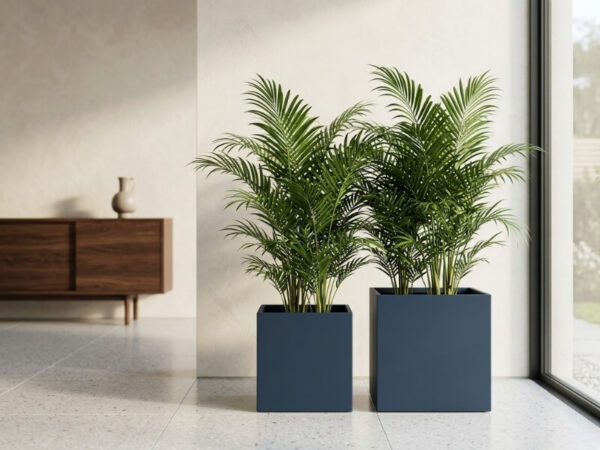
Here’s to healthier plants and drier floors.
To explore more plant-specific advice for trees, flowering plants, herbs, and compact gardens, browse our pot planting and care guides.
0 Comments