

For generations, Aussie gardeners have been given a piece of advice that gets passed down like a secret family recipe: “Make sure you put some gravel, old bits of pot (crock), or rocks in the bottom for drainage.”
It’s one of those gardening tips that just sounds right, doesn’t it? You imagine the water trickling down through the soil, hitting the gravel, and happily escaping out the hole. But here’s the hard truth: modern horticultural science has completely busted this myth.
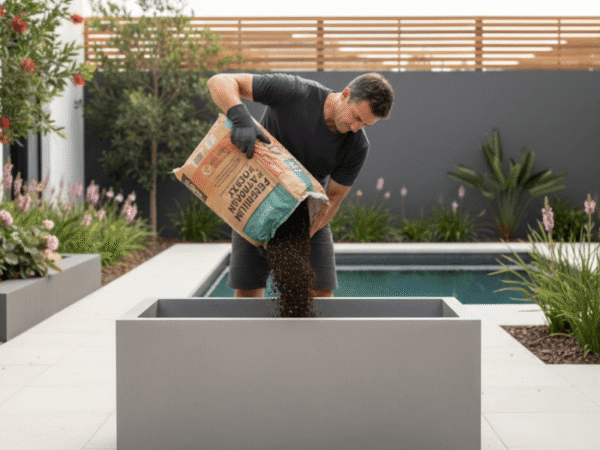
Not only is adding a drainage layer unnecessary, but it’s actually one of the worst things you can do for your potted plants. If you want healthy roots, it’s time to ditch the rocks.
The Science of the Soggy Sponge
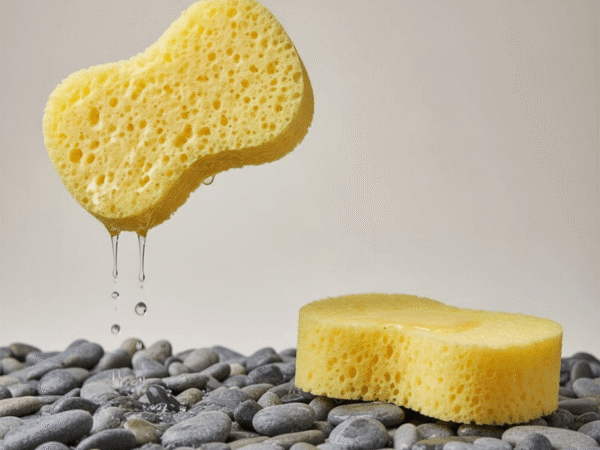
To understand why this old-wives’ tale is wrong, let’s do a quick thought experiment.
Imagine you have a brand-new kitchen sponge. You get it soaking wet and hold it up in the air. What happens? Gravity does its job, and water pours out of the bottom. Now, imagine you take that same wet sponge and place it on a bed of gravel. Does it drain better? Of course not. It just sits there, staying wet.
Your potting mix is that sponge.
Potting mix is made of fine particles that act like tiny sponges. They hold water using something called capillary action—the same force that lets a paper towel soak up a spill. When you water your pot, the mix saturates. Gravity tries to pull the water down, but as soon as the water hits the layer of gravel, it hits a roadblock.
The interface between the fine soil and the coarse gravel is a physical barrier. Water cannot easily move from tiny spaces (soil) into massive air-filled gaps (gravel) until the soil above becomes completely, utterly saturated. This creates what scientists call a perched water table.
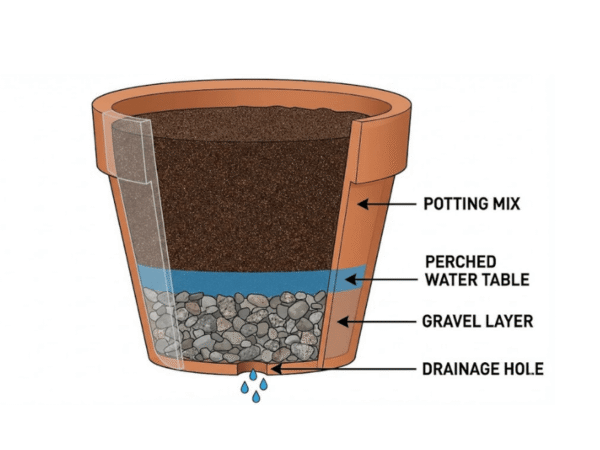
Essentially, the water “perches” on top of the gravel layer, refusing to cross into the air below. This leaves the bottom few centimetres of your pot—exactly where the roots live—constantly soggy and waterlogged.
The Septic Tank Lesson: Why Water Moves the Wrong Way
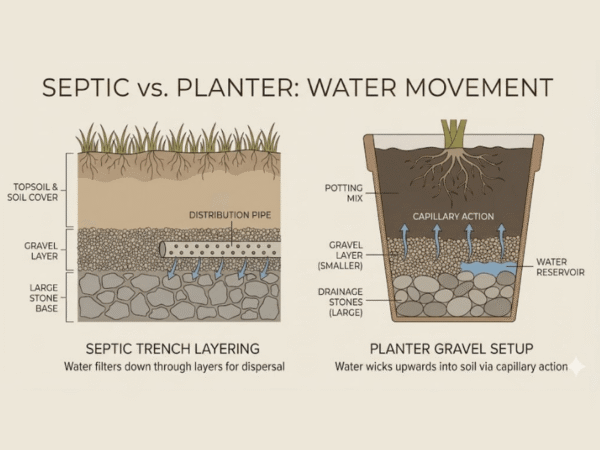
If you’re still not convinced, let’s look at a system where we want to control water flow using texture: the humble septic trench.
In a septic system, effluent needs to be dispersed into the soil. Interestingly, they don’t just chuck in gravel randomly. They place large stones at the very bottom, with progressively smaller gravel and sand on top.
Why? Because of capillary action. In a septic system, you actually want the water to move upward into the finer materials so it can be filtered by microbes near the surface. The water is drawn up from the big voids into the small spaces above, like ink moving up a blotting paper.
Now, look at your pot. You have done the exact same thing: big rocks at the bottom, fine potting mix on top.
You have accidentally built a miniature septic system designed to pull water back up into the root zone. Instead of helping gravity, the gravel layer acts as a capillary break, holding water against the bottom of the soil profile rather than letting it escape. You’ve created a system that actively fights drainage.
The Real Damage to Your Plants
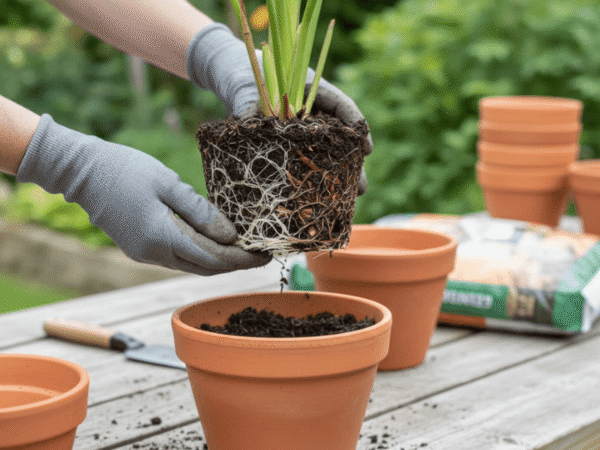
This waterlogged zone at the bottom of your pot isn’t just harmless “wet feet”—it’s a death sentence for roots.
- Root Rot: Roots need oxygen to breathe. When they sit in permanently saturated soil, they suffocate. This creates the perfect breeding ground for pythium and phytophthora (root rot fungi), which will eventually kill the plant.
- You Shrink the Pot: The saturated soil above the gravel becomes anoxic (lacking oxygen) and unusable. If you put 5cm of gravel in the bottom of a 20cm pot, you have effectively turned it into a 15cm pot. You’ve wasted valuable root space.
- Salt Buildup: As water struggles to leave the pot, fertiliser salts accumulate in that saturated zone, burning delicate root tips.
For readers dealing with root rot, poor drainage, and salt buildup, our comprehensive guide provides practical, science-backed solutions for healthier container plants.
How to Properly Drain a Pot (The Aussie Way)
So, if the old “crocking” method is out, how do we ensure our plants don’t drown?
- The Hole is King
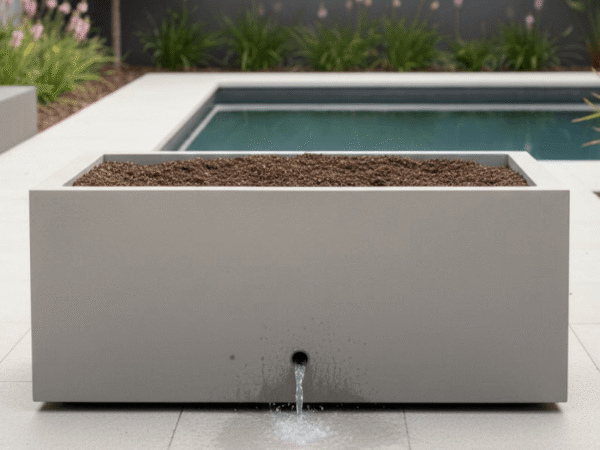
The only thing your pot absolutely must have is an unobstructed drainage hole. At Sigma Planters, we know this is the non-negotiable starting point. Water needs a clear path out the bottom. - Ditch the Gravel
Throw the stones and broken pots on the garden path where they belong. Do not put a single pebble in the bottom of your planter. - Fill with Quality Mix
Fill the entire pot—from the very bottom to the top—with a high-quality, free-draining Australian potting mix. Look for mixes containing coarse sand, perlite, or vermiculite. These ingredients create the air pockets roots need within the soil profile, allowing gravity to pull excess water straight out the hole. - Lift It Up
Once the water has drained out the bottom, make sure your pot isn’t sitting in a puddle. Use pot feet or small tiles to elevate the base above the saucer. Let gravity finish the job.
The Bottom Line
The gravel layer myth is a classic case of intuition being trumped by physics. While it looks like it should help, it actually creates a waterlogged mess.
If you want healthy, thriving plants in your garden or patio, give them the full depth of the pot, unobstructed drainage, and a quality mix. Trust the science—your roots will be much happier for it.
0 Comments