

Create truly breathtaking meals with a homegrown, edible flower pot garden. For home chefs and restaurants with limited space, container gardening is the perfect solution. It allows for a fresh, organic, and incredibly convenient supply of vibrant flavours and colours right outside your kitchen door.
Growing your own ensures you know exactly how the flowers have been cultivated—free from pesticides and at the peak of freshness, something store-bought options can rarely guarantee.
For more posts similar to this one, check out our Pot Planting and Care resource hub.
The Best Edible Flowers to Grow in Pots for Your Kitchen
1. Nasturtiums: The Peppery Powerhouse
A favourite for a reason, nasturtiums are the complete package. They are arguably the most rewarding edible flower for a chef or gardener to grow, offering a vibrant visual payoff, a unique culinary punch, and incredibly forgiving nature. Beyond being easy and prolific, they are a true “zero-waste” plant where every part above soil is edible and delicious.
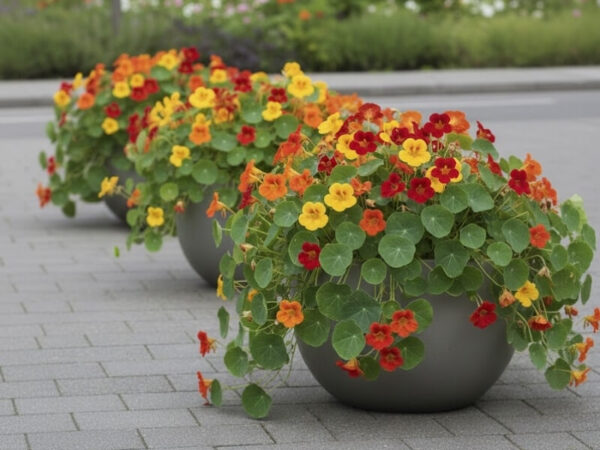
- Flavor Profile: Distinctly peppery and slightly spicy, similar to arugula or watercress.
- Culinary Uses: The bright flowers are perfect for garnishing salads, soups, and crostini. The leaves are also edible and pack a similar punch.
- Pot & Growing Tips: They thrive in poor to average soil and don’t need fertilizer, which encourages more leaves than flowers. Choose a wide, medium to large pot (at least 12 inches deep) and provide a trellis for vining varieties or let trailing types spill over the edges. They love full sun.
2. Calendula: The Sunshine Saffron Substitute
Often called “pot marigold,” calendula is a hardy annual with cheerful, daisy-like blooms in shades of yellow and orange. It is one of the most prolific and low-maintenance flowers you can grow, reliably producing blooms from spring straight through the first frost. The petals are the primary edible part, and they hold their color and mild flavor beautifully in both fresh and cooked applications, making them a versatile kitchen staple.

- Flavor Profile: Mildly tangy, peppery, and slightly bitter. The petals add a beautiful golden hue to food.
- Culinary Uses: Sprinkle the fresh petals over salads, rice dishes, and pasta to mimic the color of saffron. Stir them into softened butter to create a vibrant “calendula butter” for fish or steamed vegetables. They are a classic addition to herbal teas.
- Pot & Growing Tips: Very low-maintenance. A medium-sized pot (10-12 inches) with good drainage is perfect. Deadhead (remove spent flowers) regularly to encourage continuous blooming from spring through fall. Prefers full sun.
3. Borage: The Cool, Cucumber Star
Borage is a fast-growing herb whose stunning star-shaped blue flowers are a true culinary gem. Their ability to hold their brilliant hue and delicate shape makes them one of the most photogenic garnishes for both sweet and savory dishes. The plant itself is remarkably resilient and will often readily self-seed, ensuring a generous supply of flowers year after year with minimal effort.

- Flavor Profile: A refreshing, light taste of cucumber.
- Culinary Uses: A beautiful float for summer cocktails like Pimm’s Cup or a elegant garnish for a gin and tonic. Freeze individual flowers in ice cubes for stunning drinks. They are also delightful scattered over green salads or floated in cold soups like gazpacho.
- Pot & Growing Tips: Borage has a taproot, so it prefers a deeper pot (at least 12-14 inches). It readily self-seeds, so you may have volunteers next year. It grows quickly and appreciates full sun to partial shade.
4. Viola & Pansy: The Sweet & Colorful Canvas
With their charming “faces” and wide color range, violas and pansies are the ultimate decorative edible. They are exceptionally cold-tolerant, often being among the first and last edible flowers available in the spring and fall garden. Their sturdy, flat faces make them perfect for pressing into cheesecakes, adorning frosted cupcakes, or floating elegantly in a punch bowl.

- Flavor Profile: Very mild, slightly sweet, and sometimes a little wintergreen.
- Culinary Uses: Their sturdy nature makes them ideal for crystallizing with egg white and sugar for decorating cakes and pastries. Use them whole to top salads, desserts, and amuse-bouches. They provide a beautiful, colorful canvas for savory canapés.
- Pot & Growing Tips: They are cool-weather lovers. Plant them in a wide, shallow to medium-depth pot. They thrive in spring and fall and may fade in the summer heat. Prefer full sun to part shade.
5. Herb Flowers: A Bonus Harvest
When your culinary herbs like chives, basil, mint, thyme, oregano, and rosemary bolt and flower, don’t despair—harvest! Many gardeners see flowering as the end of the herb’s useful life, but for the culinary artist, it’s simply the plant offering a new, and often more delicate, ingredient. The appearance of blossoms is not a setback; it’s a seasonal bonus that provides a unique opportunity to enhance your dishes.
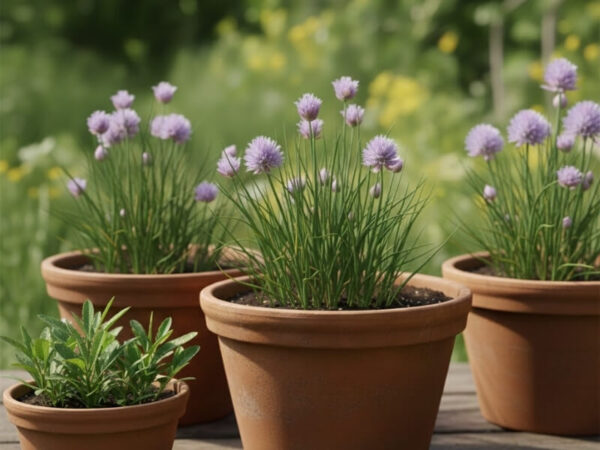
- Flavor Profile: Typically a milder, often sweeter version of the herb’s leaf.
- Culinary Uses:
- Chive Blossoms: Break apart the purple pom-pom heads and sprinkle over potatoes, salads, and eggs for a delicate onion flavor.
- Basil Flowers: White or purple spikes that carry a subtle basil essence; perfect for garnishing pasta or pizza.
- Mint Flowers: Delicate and sweet; excellent in teas, cocktails, and fruit salads.
- Pot & Growing Tips: You’re already growing the herbs! Simply let a plant or two go to flower. The same pot and care apply.
6. Lemon Verbena (Flowers): The Citrusy Surprise
While grown for its powerfully fragrant leaves, lemon verbena produces delicate clusters of tiny white or pale purple flowers that are also edible. Their flavor is a more concentrated, honeyed lemon compared to the leaf, with a captivating floral aroma. These tiny blossoms make an exquisite finishing touch for desserts like panna cotta, lemon sorbet, or angel food cake, where their intense scent is released with every bite.
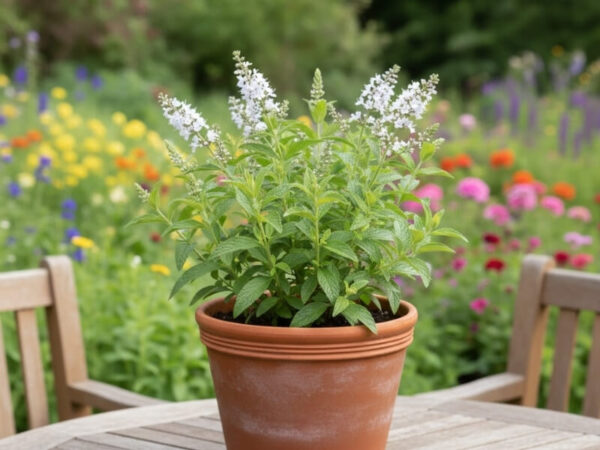
- Flavor Profile: An intense, sweet lemon aroma and flavor.
- Culinary Uses: Use the small flower clusters as a fragrant garnish for fruit salads, sorbets, whipped cream, and tea cakes. They pair beautifully with fish and seafood dishes.
- Pot & Growing Tips: This is a tender perennial, so growing it in a pot is ideal for bringing indoors in colder climates. Use a large pot and place it in a sunny spot. It can get quite tall, so it may need staking.
Essential Tips for the Culinary Container Gardener: An Expanded Guide
Mastering the art of growing edible flowers in containers is about more than just keeping a plant alive; it’s about cultivating the highest quality, safest, and most flavorful ingredients for your kitchen. Let’s break down these essential principles.
1. The Right Pot: It’s All About the Foundation
- Excellent Drainage: Ensure every pot has drainage holes to prevent root rot. If using a decorative pot without holes, place a nursery pot inside as a “cachepot” and empty excess water after watering.
- Size Matters: Choose a pot sized for the plant’s mature roots. Borage needs deep pots 40cm; pansies prefer wide, shallow ones. Start with 40cm” pots and repot as plants grow.
2. Soil is Key: The Gourmet Buffet
Potting Mix vs. Garden Soil: This is a critical distinction.
- Potting mix is a sterile, soilless blend of peat moss, coco coir, perlite, and vermiculite. It’s engineered for containers to retain moisture while ensuring excellent drainage and oxygen flow to plant roots.
- Garden Soil is too dense for pots. It compacts easily, preventing drainage and suffocating roots. It can also harbour pests, diseases, and weed seeds.
Always choose a high-quality, organic potting mix. For an extra boost, you can mix in a handful of compost or worm castings to provide a gentle, natural source of nutrients.
3. Feed Smartly: The Art of Encouraging Blooms
- Plants need the right type and amount of fertilizer, especially when your goal is more flowers instead of just leafy growth. Fertilizer labels list Nitrogen (N), Phosphorus (P), and Potassium (K): nitrogen drives leaf growth, phosphorus supports roots and blooming, and potassium strengthens overall plant health.
- To encourage flowering, choose a balanced fertilizer like 5-5-5 or a bloom-booster such as 2-3-1, and avoid high-nitrogen formulas that produce lots of leaves but few blooms. Always follow label directions for dilution and frequency—over-fertilising can harm roots and reduce flower production.
4. Harvest at the Right Time: Capturing Peak Flavor & Viability
When and how you harvest directly impacts the flower’s appearance, flavour, and shelf life.
- Why in the Morning? A plant is fully hydrated and rested in the morning. The essential oils that give flowers their flavor are at their peak concentration before the sun’s heat causes them to evaporate.
- Why After the Dew Dries? Harvesting when wet encourages mold and spoilage during storage.
- Why Just Fully Opened? A flower that is still a tight bud won’t have developed its full flavor, while one that is slightly past its prime may be wilting or losing petals. The perfect bloom is vibrant, turgid, and fully open.
Use clean, sharp scissors or pruners. Gently place the harvested flowers in a shallow basket or container to avoid crushing them. Handle the petals as little as possible.
5. The Golden Rule of Edible Flowers: Safety & Sensibility First
This is the most important part of working with edible flowers. Culinary adventure should never outweigh basic safety, and a few simple habits make all the difference in protecting yourself and others.
- Positive Identification Is Crucial: Many ornamental plants are toxic, and some edible flowers have dangerous look-alikes. Always confirm the scientific name and verify with reliable sources. Never rely on appearance or assumption alone.
- Grow Organically: Because edible flowers are eaten directly, avoid systemic pesticides and synthetic fertilizers. Use organic soil and inputs, and manage pests manually or with safe organic products like horticultural soap or neem oil.
- Eat in Moderation: Your body may react to unfamiliar compounds or pollen. Especially for allergy-prone individuals, start by eating just one or two petals of any new edible flower and observe your body’s response.
- Remove Pistils and Stamens: Larger flowers often have bitter or pollen-heavy centers. Remove pistils and stamens for better flavor. Small delicate flowers like violets or borage are usually eaten whole, but taste one first to check for bitterness.
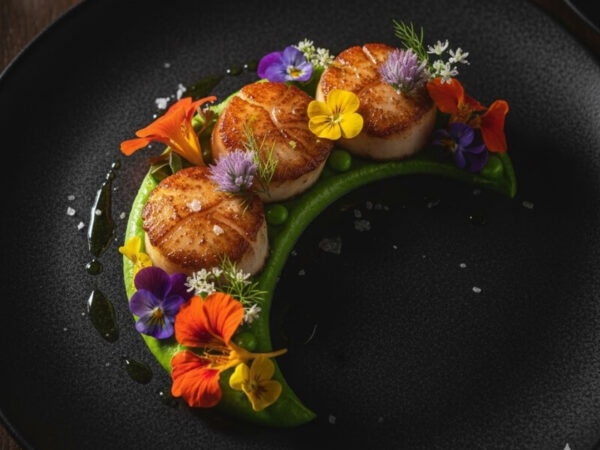
By internalising these expanded tips, you move from simply planting a seed to becoming a true cultivator of gourmet ingredients, ensuring every flower you grow is as safe and delicious as it is beautiful.
0 Comments