


There’s a culinary revolution happening, and it’s centred on the unique, vibrant flavours of native Australian ingredients. For chefs and home gardeners alike, the desire to cultivate these plants has never been stronger.
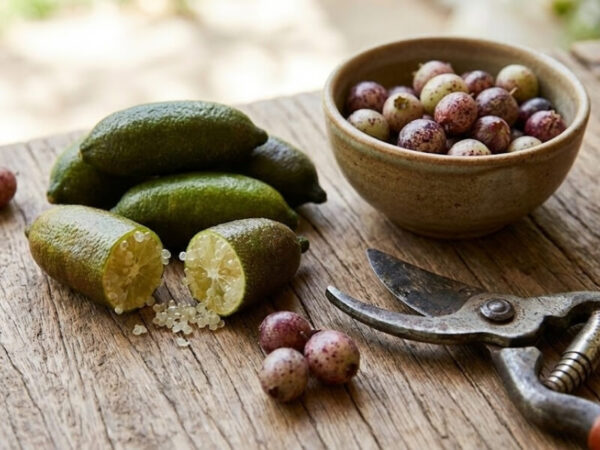
But what if you’re short on space? The answer is simple: think big, with fibreglass pots.
Growing bush tucker in large containers isn’t just a space-saving solution; it’s a smart way to control the environment for these special plants, ensuring they thrive and produce the gourmet harvest you’re dreaming of. Let’s explore how to create your own native food garden on the patio.
This guide is part of our Pot Planting and Care Resource Hub, alongside other in-depth resources.
Why Large Pots are Perfect for Bush Tucker
Many Australian natives are adapted to well-drained soils and specific growing conditions. A large, high-quality container gives you complete control over the soil mix, drainage and root environment, which is critical for long-term success—especially for plants like Finger Limes that are sensitive to poor drainage. An extra-large pot also provides ample room for root development, supporting stronger growth, improved resilience to temperature fluctuations and more reliable flowering and fruiting over time.
Top Container-Friendly Bush Tucker Plants
While many natives can be container-grown, some are particularly well suited to life in pots. These two stand-out performers not only adapt beautifully to container conditions, but also deliver exceptional flavour and scent, making them ideal choices for a productive and visually appealing patio garden.
1. The Australian Finger Lime (Citrus australasica)

Dubbed “citrus caviar”, the Finger Lime is a must-have for any gourmet garden. Its slender fruits hold tiny, jewel-like beads that burst with a sharp, zesty flavour, prized by chefs for both their taste and visual impact.
Why it works in a pot: Its naturally slow-growing, shrub-like habit makes it an ideal candidate for containment. With regular pruning, it can be maintained as a striking feature tree on a sunny balcony or courtyard, while pot culture also helps prevent the root stress that often occurs in heavier garden soils.
Recommended pot size: Start with a 50 cm pot, and be prepared to pot up to 60 cm or larger as the tree matures. A deep pot is particularly beneficial to support its taproot and promote overall stability and health.
2. The Midyim Berry (Austromyrtus dulcis)

This easy-going groundcover is one of Australia’s best-kept secrets. Midyim berries are delicate, sweet and lightly speckled fruits with a flavour often described as a cross between blueberries and apples, finished with a subtle hint of spice.
Why it works in a pot: Its low, spreading habit makes it perfect for spilling gracefully over the edges of a large container. It also performs beautifully as a living mulch beneath taller plants like a Finger Lime, helping to retain moisture and soften the overall planting design. It’s a classic example of companion planting, where one plant actively helps another thrive.
Recommended pot size: A wide, shallow pot at least 40–50 cm in diameter allows the plant to spread naturally, encouraging denser growth and better fruit production while keeping maintenance simple.
The Perfect Foundation: Soil & Feeding for Potted Natives
Getting the soil mix right is the single most important step for success when growing bush tucker in containers. Many Australian natives have evolved in nutrient-poor, free-draining soils and actively resent sitting in moisture for long periods. They are also highly sensitive to elevated phosphorus levels, which means the wrong potting mix or fertiliser can quickly lead to poor growth or plant failure.
1. The Ideal Soil Mix
Avoid standard potting mixes and rich composts, which tend to hold too much moisture and contain nutrient levels that are unsuitable for native plants. Instead, aim to recreate the loose, well-aerated soils these plants prefer in the wild.
- Start with a premium, free-draining native potting mix as your base. These mixes are specifically formulated with lower phosphorus levels and improved drainage.
- Improve drainage further by mixing in around 25% coarse horticultural sand or perlite, especially for sensitive plants like Finger Limes. This helps prevent compaction and allows excess water to move away from the roots.
- Check drainage holes carefully. Your container should have multiple, generously sized drainage holes to ensure water never pools at the base of the pot. Elevating the pot slightly on feet can further improve drainage and airflow.
- A well-structured soil mix promotes healthy root development, reduces the risk of root rot, and creates a more stable environment for long-term growth.
2. Feeding Your Plants
Australian natives require a lighter feeding approach than many exotic plants. Overfeeding—particularly with phosphorus-rich fertilisers—can cause leaf burn, stunted growth or even plant death.
- Always choose a fertiliser specifically labelled for Australian Native Plants. These products are formulated to be low in phosphorus, making them safe for species such as Grevilleas, Finger Limes and Midyim Berries.
- Apply fertiliser during the active growing periods of spring and autumn, following the manufacturer’s instructions carefully. In most cases, a light application of a slow-release native fertiliser is more than sufficient.
- If in doubt, under-feed rather than over-feed. Healthy native plants in the right soil often need very little additional nutrition.
From Pot to Plate: Using Your Gourmet Harvest
By combining the correct soil mix with gentle, appropriate feeding, you create a stable foundation that allows potted native plants to thrive, fruit reliably and remain healthy for years to come.
The joy of harvesting your own bush tucker is matched only by the delight of using it in the kitchen. Freshly picked native ingredients bring intensity, aroma and visual appeal that’s hard to match, turning everyday meals into something truly special. Whether you’re cooking for guests or enjoying a quiet meal at home, these plants reward you generously. For another way to turn a productive container garden into an entertaining feature, see our guide to the Culinary Cocktail Pot.
Using Finger Limes
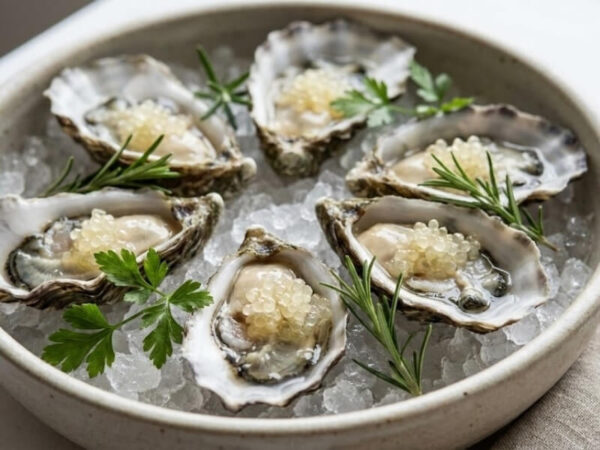
Garnish supreme: Sprinkle the jewel-like “caviar” over freshly shucked oysters, seared scallops or grilled fish to add a striking visual contrast and a bright burst of acidity. A little goes a long way, making it perfect for refined plating.
Culinary creations: Elevate your cooking by folding Finger Lime pearls into ceviche, tartare or sushi. They also shine when stirred into vinaigrettes, aioli or mayonnaise, and can even be used to add a sharp citrus note to desserts such as panna cotta, pavlova or cheesecake.
Cocktail hour: Use the pearls as a premium garnish for a gin and tonic, sparkling wine or a native-inspired martini, where they add both flavour and theatre to the glass.
Using Midyim Berries
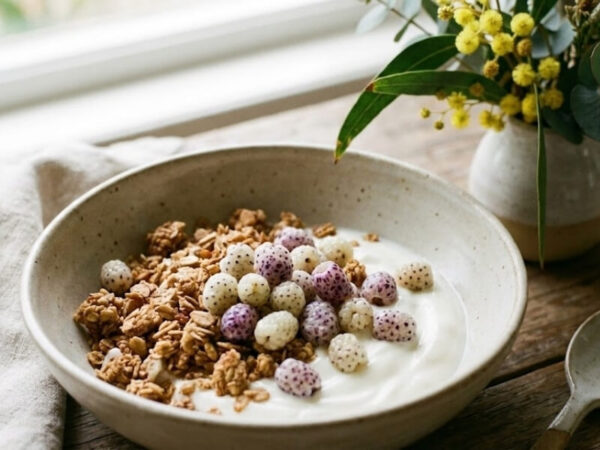
Fresh eating: Enjoy Midyim berries straight from the plant as a sweet, nutritious snack, perfect for casual grazing in the garden.
Breakfast and desserts: Scatter the berries over muesli, yoghurt or ice cream, or fold them gently into muffin, tart or cake batters for a subtle, native twist on classic recipes.
Preserves: Their delicate sweetness makes them ideal for jams, jellies and compotes, which pair beautifully with cheese platters, roasted meats or simple buttered toast.
For another aromatic native ingredient, lemon myrtle can bring citrus fragrance and culinary value to the same edible garden approach.
Your Native Garden Awaits
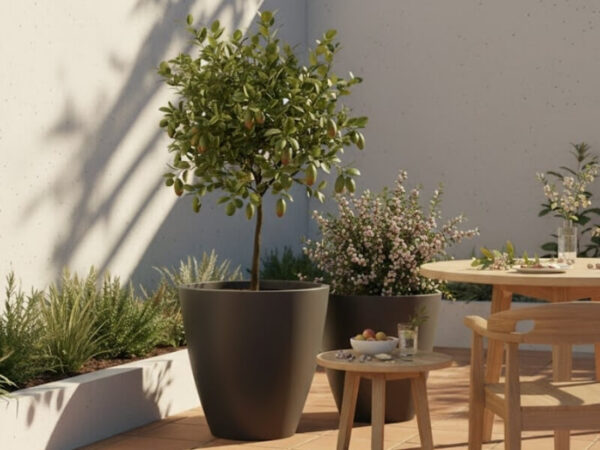
Embracing the bush tucker movement is a rewarding journey into the heart of Australian flavour. By starting with a large, well-draining pot and providing the right growing conditions, you can successfully cultivate these gourmet native plants right outside your door—no matter how limited your space may be.
Ready to begin? Explore our range of large and extra-large pots, designed to support healthy growth and long-term success.
0 Comments